



















































































We get closer to the world of “Fahrenheit 451” with every day that passes.
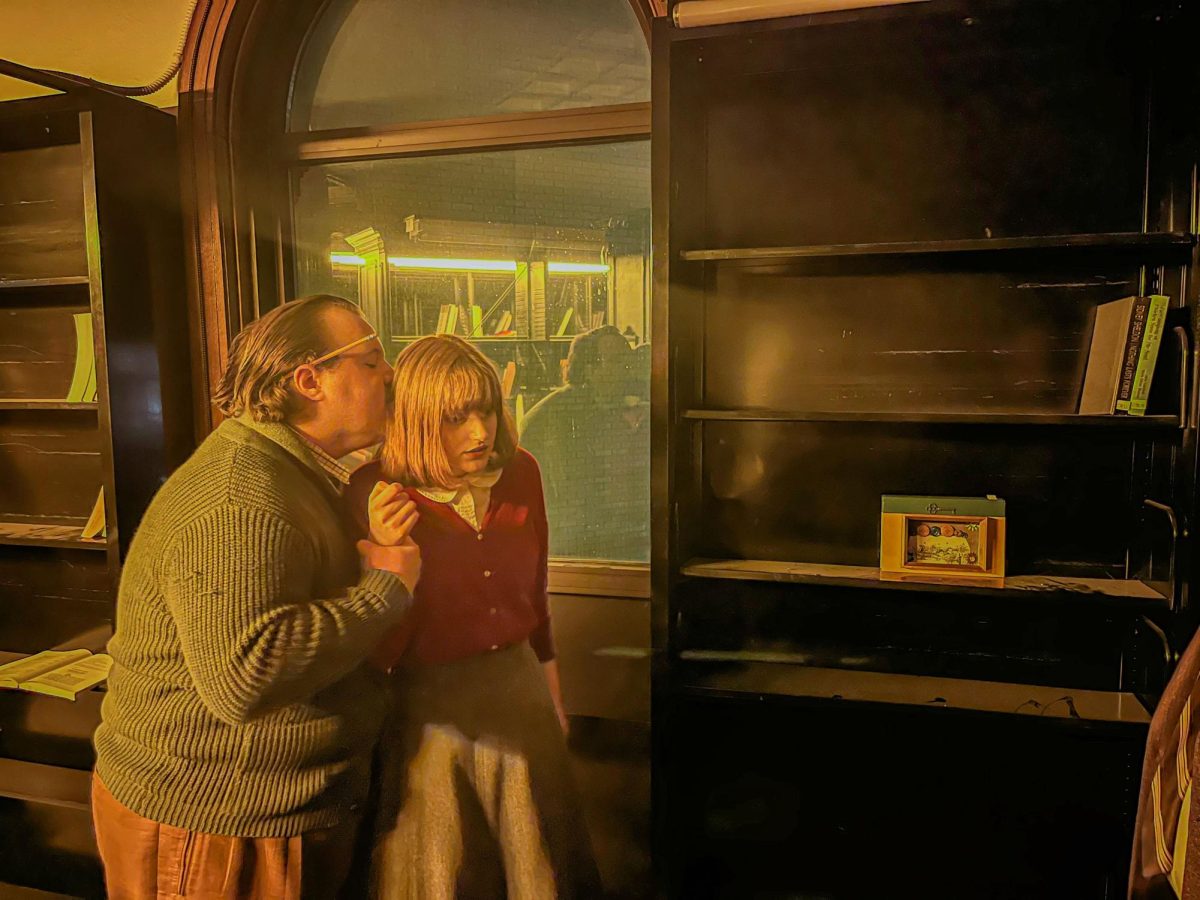
In Ray Bradbury’s 1953 dystopian novel, owning and reading books is illegal, and “firemen” are tasked with burning any literature that they find. And sure, books are not outlawed today, but reading is increasingly becoming an unpopular pastime.
According to a National Library of Medicine study conducted by Jessica Bone, the number of people in the United States who read for pleasure (outside of school and work) has decreased 40% since 2004.
According to Rebecca Joy from Health Line, reading regularly has numerous benefits to our overall health and well-being; it improves our cognitive capabilities, increases longevity, makes us more empathetic and even helps us sleep better.
It is good to read, but why is it so particularly dystopian that people are reading less? Why is our culture becoming so anti-literacy?
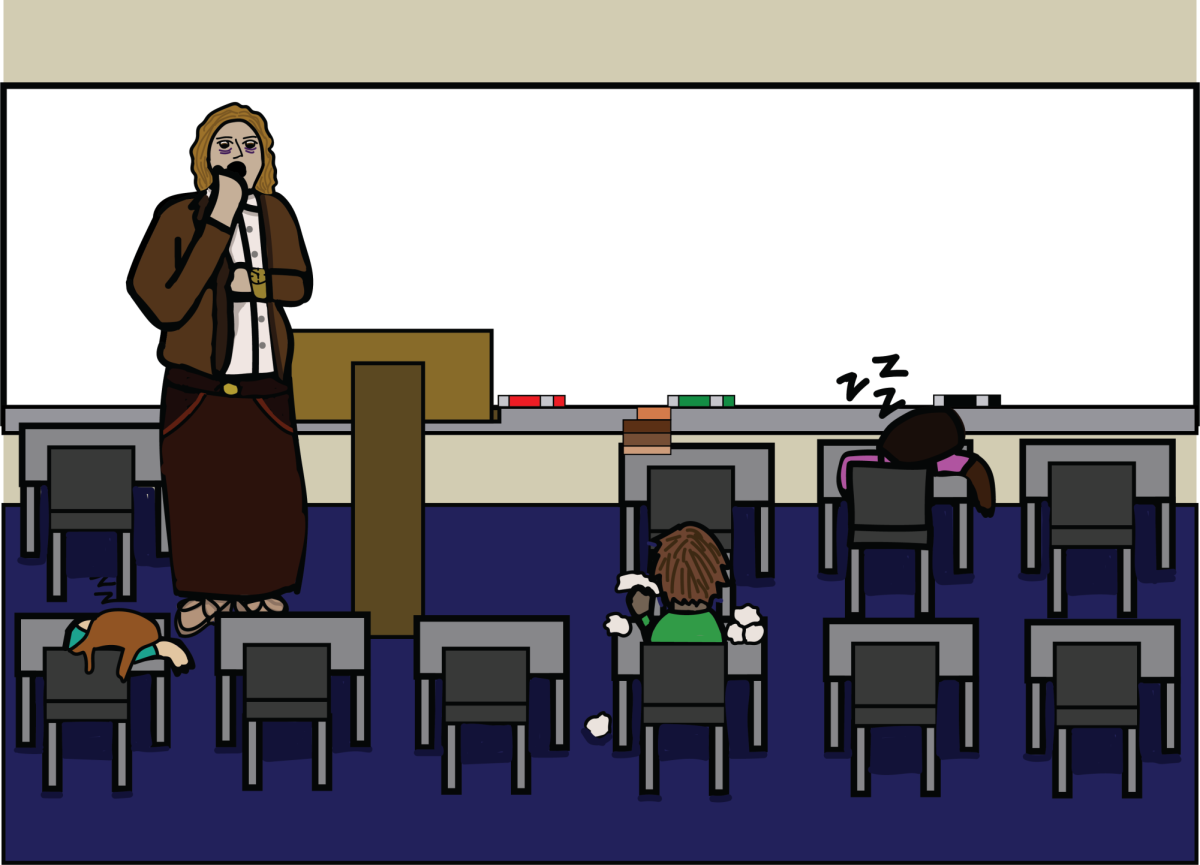
One obvious answer for declining literacy rates is simple: modern technology. Why read a book in your free time, which is difficult and requires mental effort, when you could just mindlessly scroll through social media instead?
The lure of spending all your free time online is strong, but you have to resist it. Garrett Traylor, a research and instruction librarian at Tredway Library, says that the internet can inhibit original thought. .
“People aren’t having time to critically examine the materials that they’re looking at because they get flooded with so much so rapidly,” Traylor said.
In contrast, sitting down and reading a novel forces you to consume information slowly and intentionally.
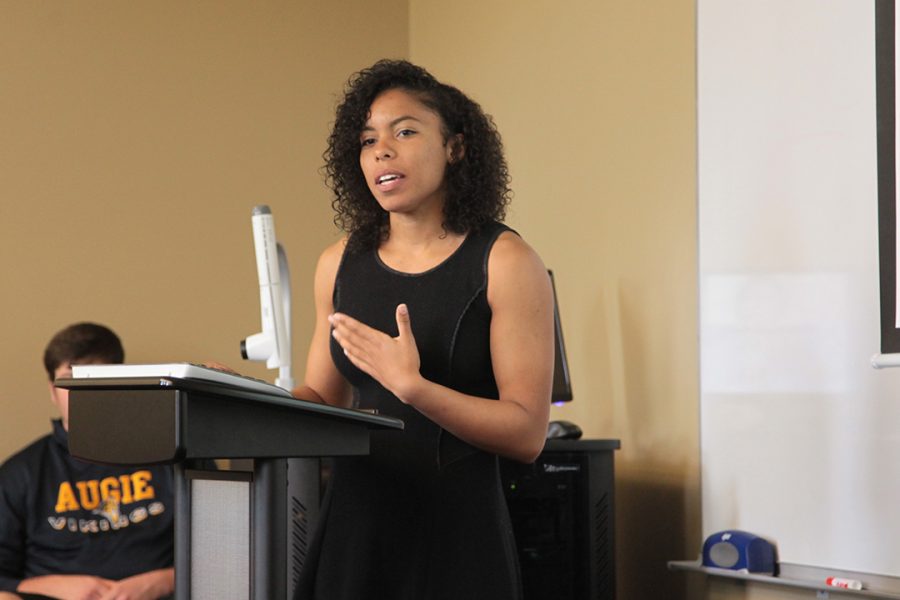
Lucas Street, the director of the Reading/Writing Center, believes that reading, as opposed to movies and television, is so beneficial to our cognitive abilities because it demands our active participation.
“Reading requires a lot from a person,” Street said. “It requires a lot of focused attention, which is something that’s in short supply these days.”
When you read, you cannot just sit there passively and let the information flood your senses. You have to process and interpret the information of your own volition.
Because of this, people who read regularly are better able to seek out information in their real lives, to question the world around them as opposed to simply following what they are told.
“If you don’t read often and widely, I think you’re at much more risk … of being manipulated politically to vote for candidates that do not have your best interests at heart,” Street said. “It’s positively dystopian.”
Unfortunately, it is for these very reasons that reading is discouraged culturally in modern America. It is no coincidence that literacy is going speedily downhill in tandem with increasing book bans in the United States. According to the American Library Association, over 5,000 titles were banned from libraries across the country in 2025 alone.
“People aren’t going after books for frivolous reasons,” Traylor said. “They’re going after [them] because that reduces intellectual curiosity, it reduces resistance against oppression. They’re being banned and targeted for a reason, and that’s because books are powerful.”
On top of book bans in school libraries and curriculums, the Trump administration has also targeted funding for public libraries, according to the Center on Budget and Policy Priorities. The combination of these two things means that free access to books is steadily declining. People are not just avoiding reading because they are lazy; books are being intentionally gatekept because an undereducated populace is easier to control.
Canonically, the world of “Fahrenheit 451” did not start right off the bat with burning books. It started with people not reading because the combination of new technology and limited book access made reading boring, difficult and inconvenient.
If you have not read a book this year, consider visiting your local library and picking something up. Remember, you do not have to read the impenetrable classics that were perhaps forced on you in high school. The beauty of literature is that you can read whatever you want.
“Find not only the genre that works for you, but the mode that works for you, and go for it,” Street said. “No snobbery, we don’t need to virtue signal about the books we read. Just read.”
Just read. Do not let yourself become apathetic or easily influenced. Just read.


