














































When we think of violence, we usually think of war. But one can be violently ill, or something can violently shake; so what really is violence?
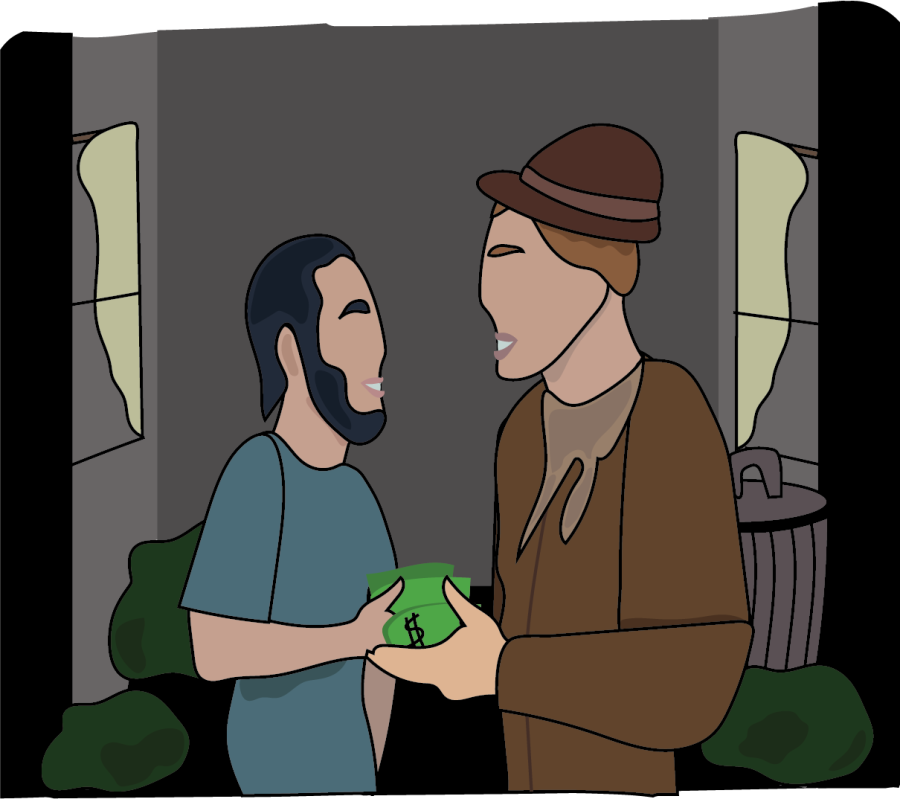
What prompts this question is a recent alleged arson committed at a Kimberly-Clark warehouse in Ontario, California. A viral video appears to show an employee, in reaction to his financial situation, setting the warehouse he worked in ablaze. Right before doing this, he said something that caught my attention.
“You know, if you’re not gonna pay us enough to live, or afford to live, at least pay us enough not to do this,” he said.
To be clear, I do not endorse violence of any kind. I think it perpetuates a cycle that, obviously, isn’t very productive. If this is true, that means systemic violence might be partially to blame for reactive political violence, at least in the average possible reactor’s mind. Instead, it’s important to examine reasons he had for feeling this way.
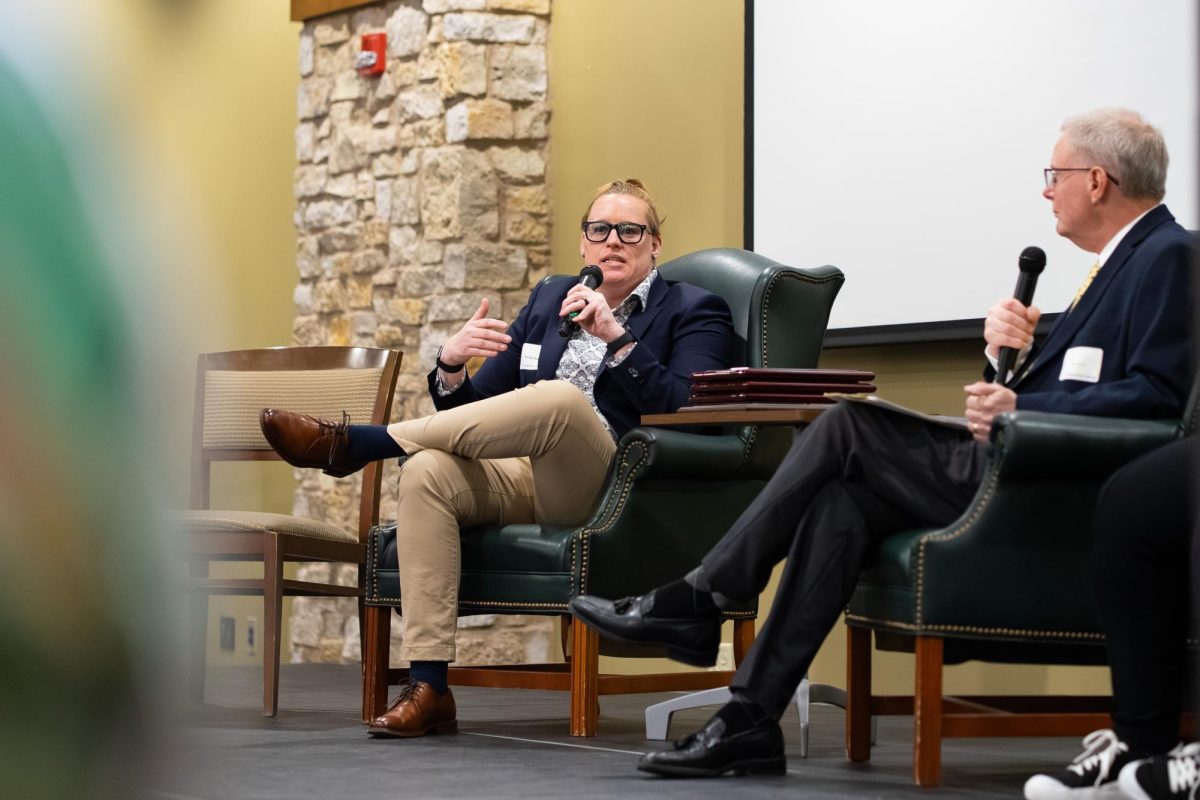
Christopher R. Strunk, professor of geography and chair of Latin American studies, is interested in understsanding political violence.
“We want to not excuse violent actions that harm other people, but we want to think about how, how systems of power and economic, social, political, environmental, right? All those are also having impacts on people,” Strunk said.
According to the World Health Organization, violence is the “ intentional use of physical force or power, threatened or actual, against oneself, another person or against a group or community, which either results in or has a high likelihood of resulting in injury, death, psychological harm, maldevelopment or deprivation.”
The employee’s words point toward systemic violence, which the burning of the warehouse can distract from in terms of attention economy and threat-awareness. An alleged arson is a simpler story than the systemic issues influencing it.
He didn’t do this because he was a violence-crazed monster. He said it himself, he wanted to be paid enough to live. Of course, our Declaration of Independence says that we have self-evident rights to “life, liberty, and the pursuit of happiness,” which is not always the case for workers under big corporations like Kimberly-Clark.
This isn’t an isolated incident of systemic violence either. The Lumina Foundation found that over one-third of college students face financial struggles. Even at Augustana, the federal student wage does not meet Illinois’ minimum wage, falling nearly $5 short. Limited options for so many students create understandable frustrations that, in some cases, have no clear solution.
Since this can happen in any labor system, it is important to look critically at the system, as well as the situations it can create for the people within it.
“It is really important to understand the ways in which violence is is much more than just kind of an individual act against one person, just like racism, right? It’s, I think, oftentimes we talk about racism as if somehow people kind of are just racist or not, right? And really, it’s a systemic issue. I think violence is too,” Strunk said.
Strunk also pointed out research showing that nonviolent resistance movements are more successful at their goals than violent ones. Research by a Harvard professor of political science, Erica Chenoweth, and Rutgers professor Kurt Schock found many negative effects, including provoking repression of all challengers, reducing popular participation, discrediting all regime opponents and alienating possible supporters, among others.
Next time you see something like the Kimberly-Clark fire, or feel the inescapable issues of a system getting to you, remember that you aren’t alone in the system. You just might be able to find non-violent solutions that have a greater impact on you and your community than you expect.