


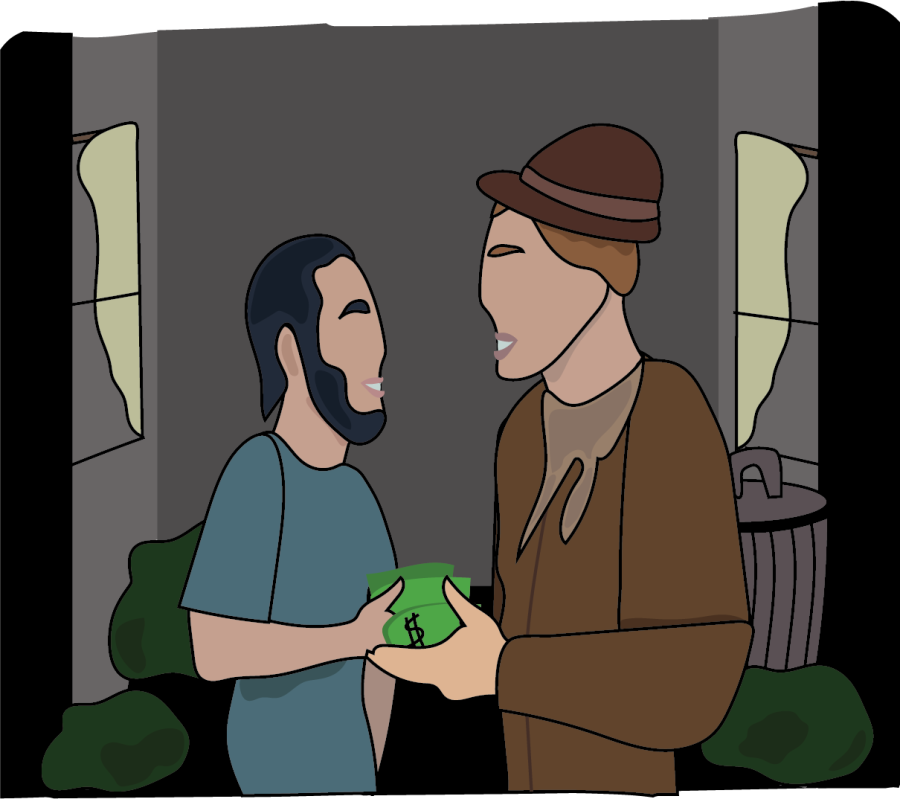






















































































The lithium battery in the device you are reading this on was made through modern-day slavery in the Democratic Republic of Congo. The dye in the clothes you are wearing polluted the rivers of Indonesia. The exhaust from the car you drive is melting the polar ice caps.
Everything you own, every consuming choice you make, is a result of the exploitation of the Global South and/or the destruction of the natural environment. There is no ethical consumption under capitalism.
But even though it is impossible to make a completely ethical spending choice, that does not mean that you should not still try your best to make more ethical choices.
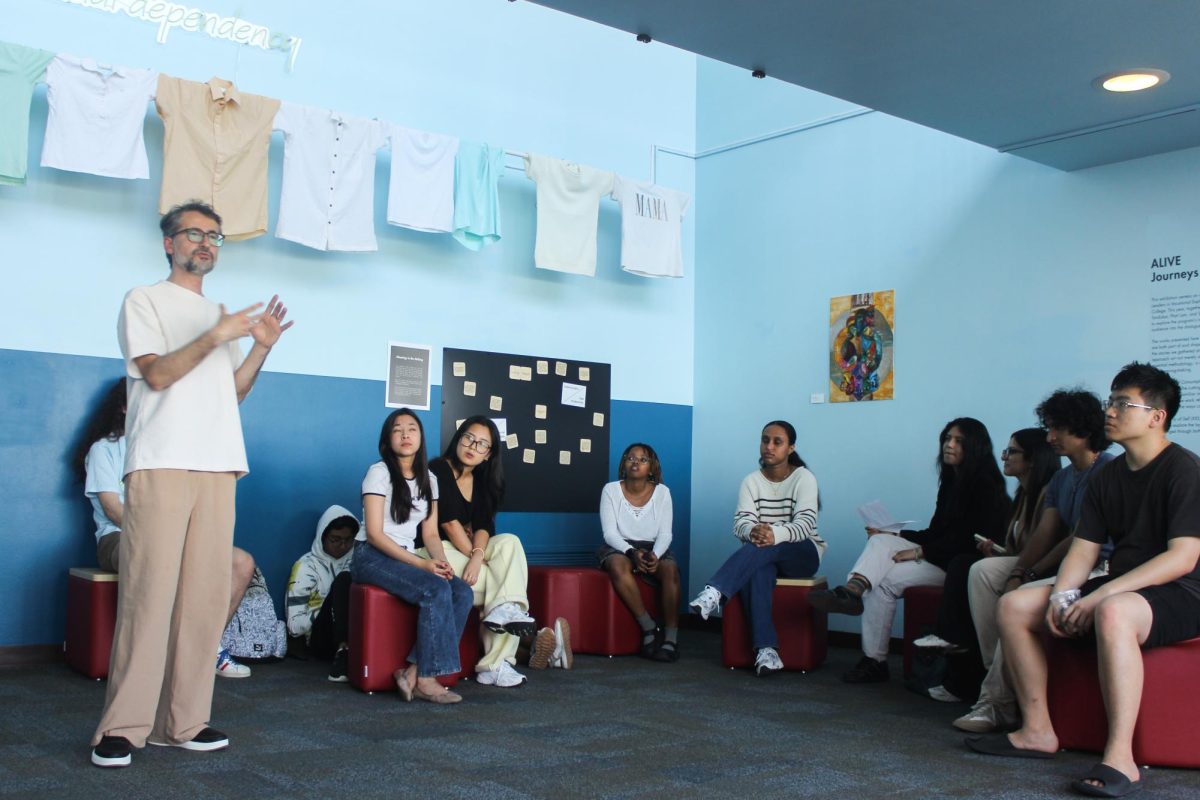
Sophomore Luka Van Osdol, a member of Augustana’s Young Democratic Socialists of America (YSDA), says that he puts in a lot of research into buying products that are both ethically and sustainably made.
“I have strong feelings about where it is sourced from, what labor goes into it, and whether it’s also going to last me,” Van Osdol said.
However, this is not something that you can do perfectly. It is less about ethical versus unethical, and more about more ethical versus less ethical.
For example, you cannot boycott every single brand who donates money to Israel and contributes to genocide in Palestine. But, you can at least focus on a few brands that are part of the Boycott, Divestment, and Sanctions movement (a Palestinian-led movement to put economic pressure on Israel), like McDonald’s and Amazon.
It is also unrealistic to expect everyone to boycott everything. You have to factor in affordability. Some people cannot afford to get something that they need if they cannot get it off of Amazon. That is unavoidable, and not in any way the fault of the individual.
But some people do have the ability to make more ethical choices, and they simply do not want to put in the effort. Let’s face it: It is inconvenient to do a lot of research into the brands you buy, to try to reuse and recycle and to boycott products that you really like or want.
In contrast, it is really easy to just throw up your hands and say “It’s none of my business. Everything I do has a bad impact, so why is it worth it to put in all of this effort?”
But that attitude of apathy is why we are in this mess in the first place. When the world is populated by nice people who don’t do anything to combat injustice, nothing ever changes. You cannot be perfect, but you can at the very least think about the impact of your actions.
Of course, as an individual, it is also easy to feel like your impact is too small to matter. You are just one person; your actions cannot change the global system, so why even try?
It is important to remember, though, that large-scale change does not happen in a vacuum.
“Drastic change is fueled by individuals, so there wouldn’t be this drastic movement without individuals,” Van Osdol said.
Your individual choice might not matter, but you as an individual can motivate other individuals, and together, your impact can ripple outward. You can do this by joining student groups like YDSA, joining local groups in your community or even starting something yourself.
“Just know you’re not alone in the efforts,” Van Osdol said. “It can be difficult, especially in terms of small actions, but you’re not the only one working for a better world.”
Ultimately, all of us in the U.S. are at least somewhat implicated in global exploitation. But instead of feeling apathetic about that, we should use that to fuel our actions.
Even though we will never be able to make fully ethical consuming choices, we should still try. If we stop trying because we believe our impact will never matter, then we are saying that the current system’s injustice is acceptable. It is not.