












































The African Student Association (ASA) celebrated the 10-year anniversary of AfroFest on Sunday, May 8, in the Gävle Rooms. This year’s theme, “Akwaaba,” meaning “welcome,” aimed to provide a sense of openness and community for all attendees.
Junior Kayla Essilfie, vice president and academic chair of ASA, said the main purpose of this theme was not only to celebrate the last decade but to pay tribute to the first AfroFest that began it all.
“We’re calling [the theme] ‘Akwaaba,’ which is ‘welcome’ in Akan — the main local language of Ghana. We’re actually recreating the way they did AfroFest the first time, like the similar stage setting, the [theme] coloring and everything they did for the first one, we’re replicating that for the 10-year [anniversary],” Essilfie said.
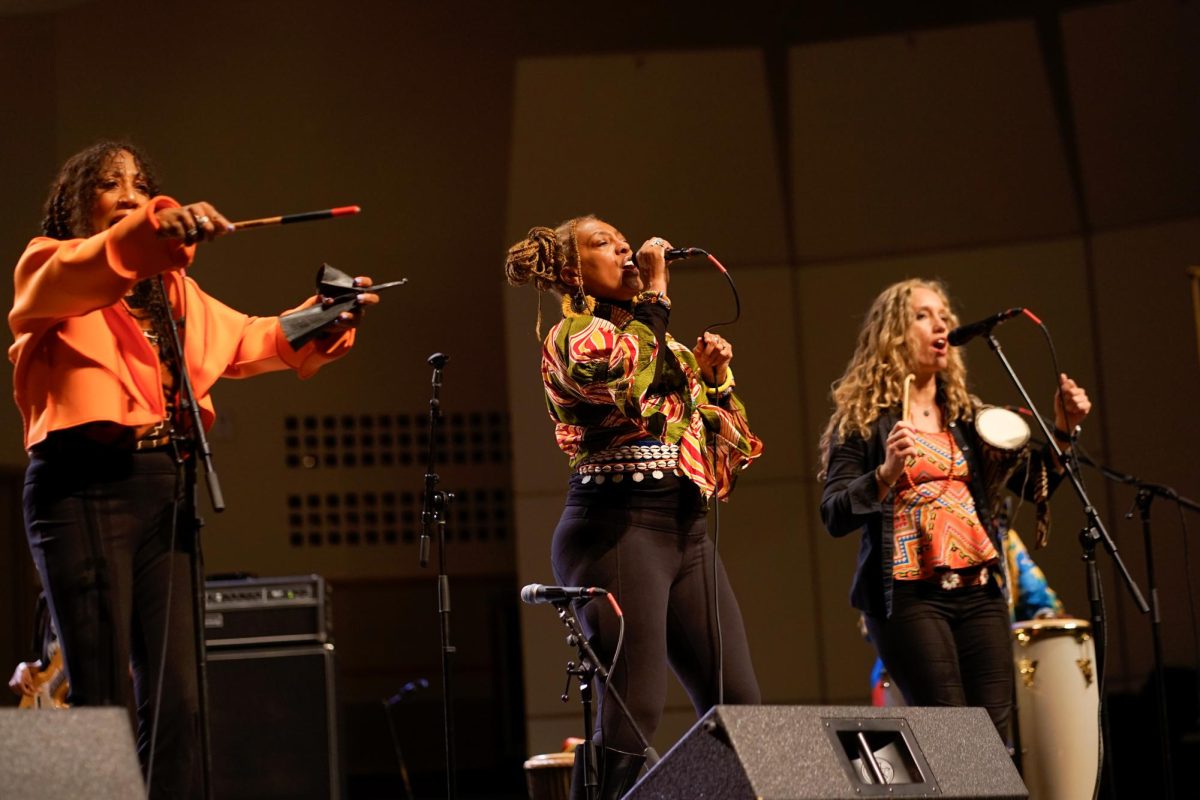
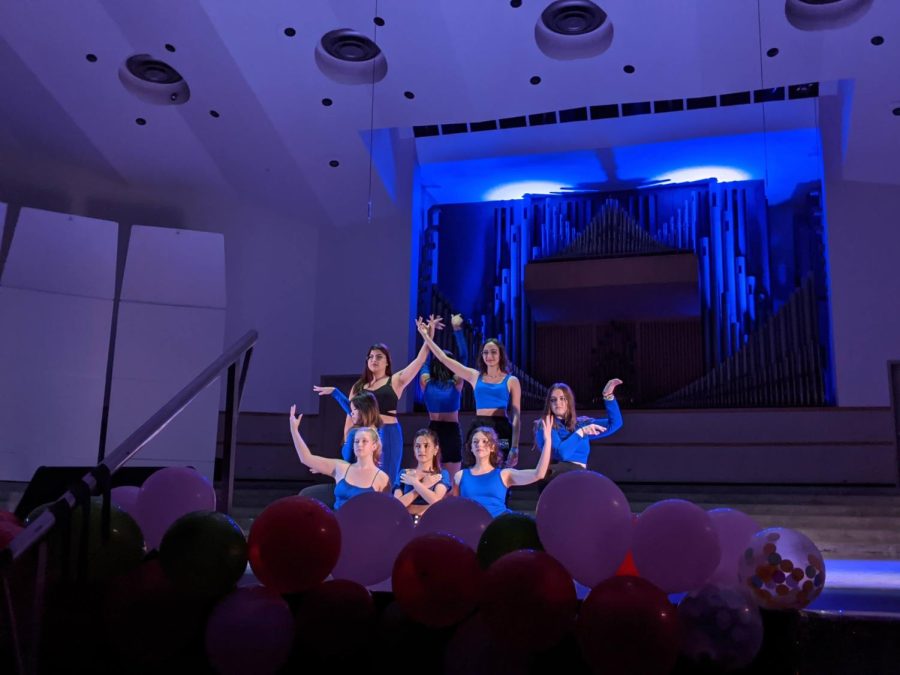
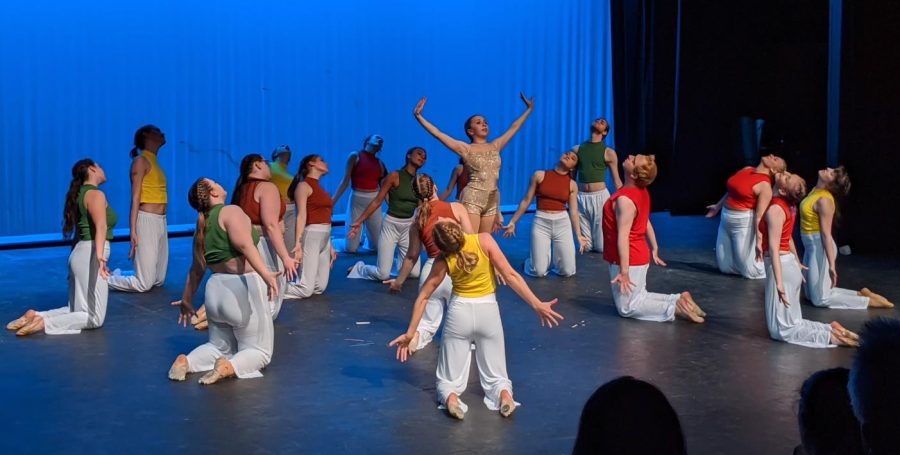
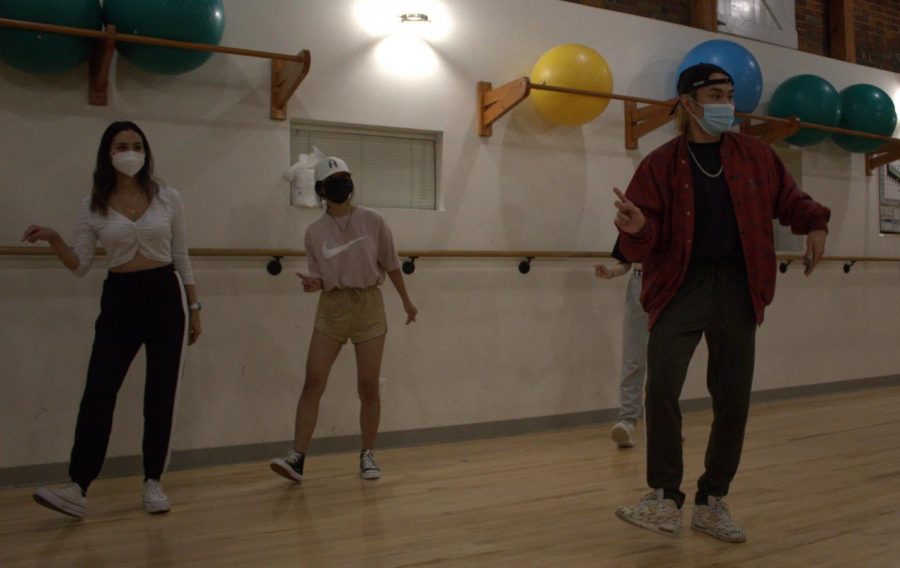
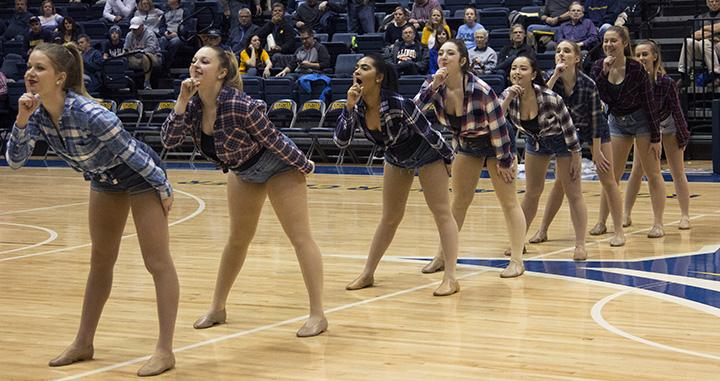
During the event, several performances took place, including traditional dances, individual acts and group performances, such as Heavy Steppas and Ethiopian dancers. The event also featured a fashion show and food, including Togolese Jollof rice and chicken, as well as Ethiopian traditional dishes such as injera and tibs.
Selina Adelaide Osebre Yawson, sophomore social chair of ASA and upcoming president, said the event recognized African subcultures while emphasizing a shared sense of unity across the continent.
“There are different parts of Africa on our poster, so you can see that we have different names [describing the theme]. All those words mean ‘welcome’ in a different African language,” Osebre Yawson said. “So, even in our poster, we were trying to highlight that for one word there are different ways to say it, and they all mean the same thing — showing that together we are one.”
While the AfroFest poster this year served as an educational way to display African languages and cultures, the event itself has evolved over the years from a primarily educational gathering into a more interactive and social celebration.
Junior Nabila Saam, president of ASA, said AfroFest originally had more of an exhibition-style format, where art and posters were used to share African stories and perspectives with the campus community. Over time, however, the event has evolved into a more interactive experience that allows students outside of African cultures to immerse themselves in the culture and celebration.
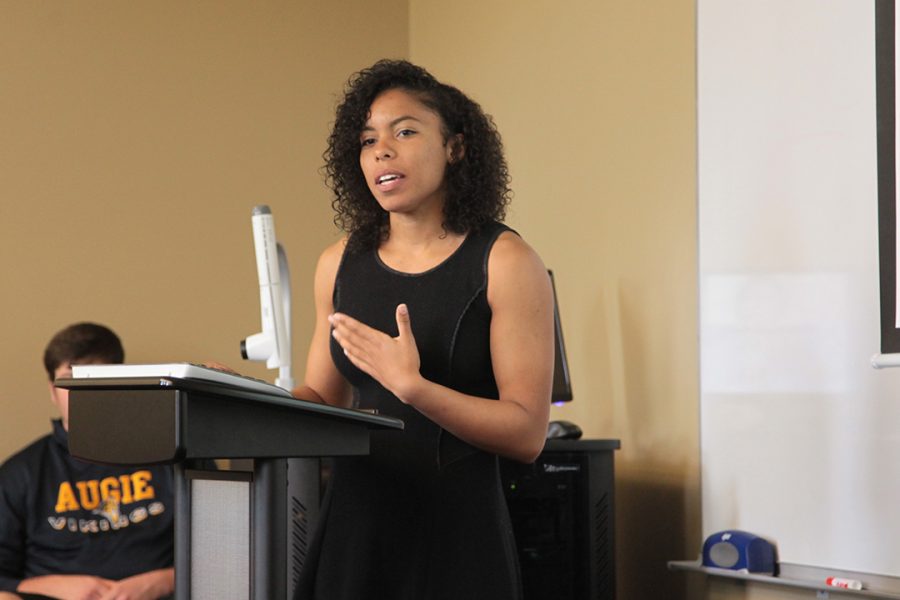
Saam said she hopes the organization will build on the sense of community that once defined ASA by encouraging students of all backgrounds to become involved beyond its events. She said she believes this year’s AfroFest will play a key role in advancing that goal.
“Over the years, we’ve lost the essence of what ASA was built for — this is one of the reasons why the theme is ‘Akwaaba’: a new era where we really focus on community, because over the years we’ve turned into an event-based club, and people started coming to the events rather than the general meetings where we build community,” Saam said.
As ASA comes to a close in celebrating the past decade, the organization looks ahead to hosting more events and open meetings that invite all students to participate in an educational and interactive cultural community on the Augustana campus.
Selina Osebre Yawson previously worked for The Observer.