
























































You may think you’re just paying for a diploma, but the real product is the process, exposure and growth.
Grades, course evaluations and standardized tests can make it hard to see education as more than just a to-do list, especially without the proper exposure and investment.
I started out with an apathetic, requirement-focused view of college, and did not care too much for college at this point. After finding professors to engage with at my community college, I got to be curious and ask the understanding questions I yearned for. Once I got to Augustana, the liberal arts approach created the perfect atmosphere for this.
Here I’ve learned that thanks to Self-Determination Theory, we can better understand our internal motivation by three components: relatedness, autonomy and competence. The article by The Decision Lab also mentions how external factors usually aren’t lasting because they don’t appeal to these internal needs.
Autonomy is the need to feel in control and in agreement with our behavior. So, when education is framed as a pointless requirement for a career, it is hard to feel like it is truly related to you, much less that it is your chosen path. This can be where misalignment can be felt most, and where reframing can help.
I myself am still working on this, but Augustana is the perfect place to lean into curiosity, care and satisfy our yearning to understand.
While education is also a technically prerequisite, it is not something that ends. I would even say that ‘educated’ may not be an accurate sense of the word, since we cannot know everything and can always be mistaken. Furthermore, in most cases, we are hoping to develop practiced processes.
Further, we are taught, whether in STEM or the humanities, how to properly think about things–which is a process.
According to the The American Association of Colleges and Universities (AACU), between 90 and 95 percent of employers are looking for skills like critical thinking, data analyzation and interpretation, complex problem solving skills, ethical reasoning, written communication and diverse team work ability. These things are not simply completion documents, but processes we practice, tailor and develop over time. The AACU also suggests a holistic approach.
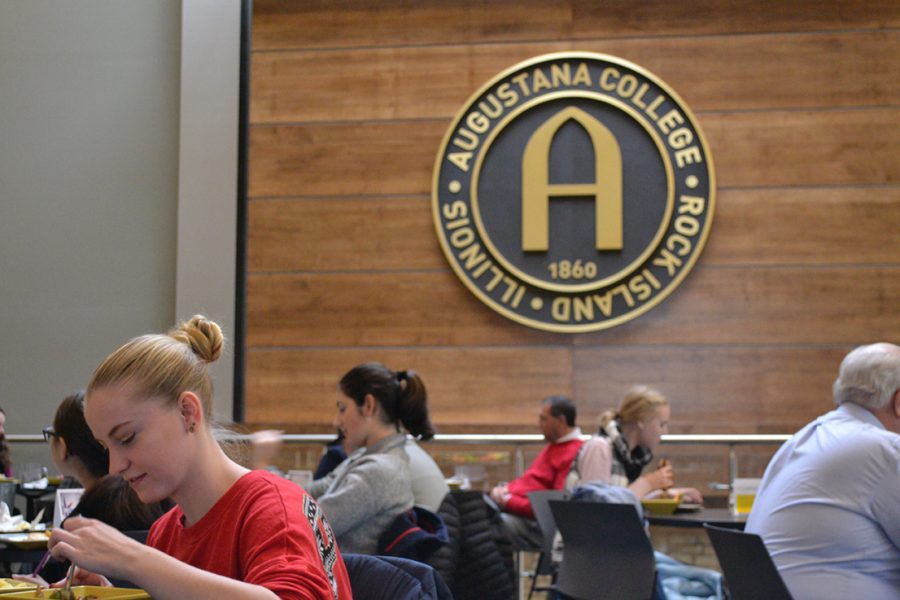
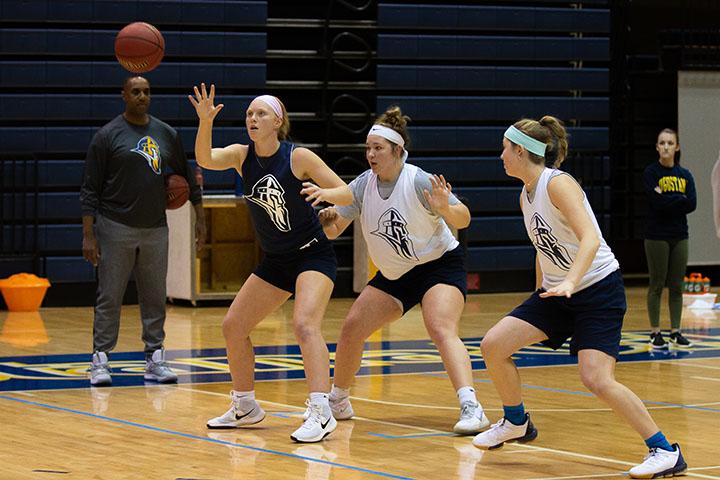
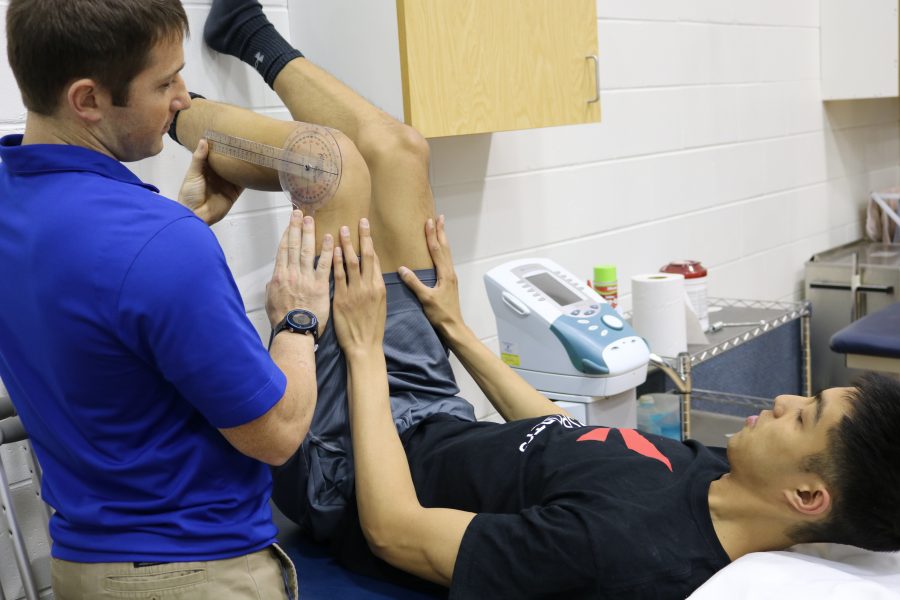
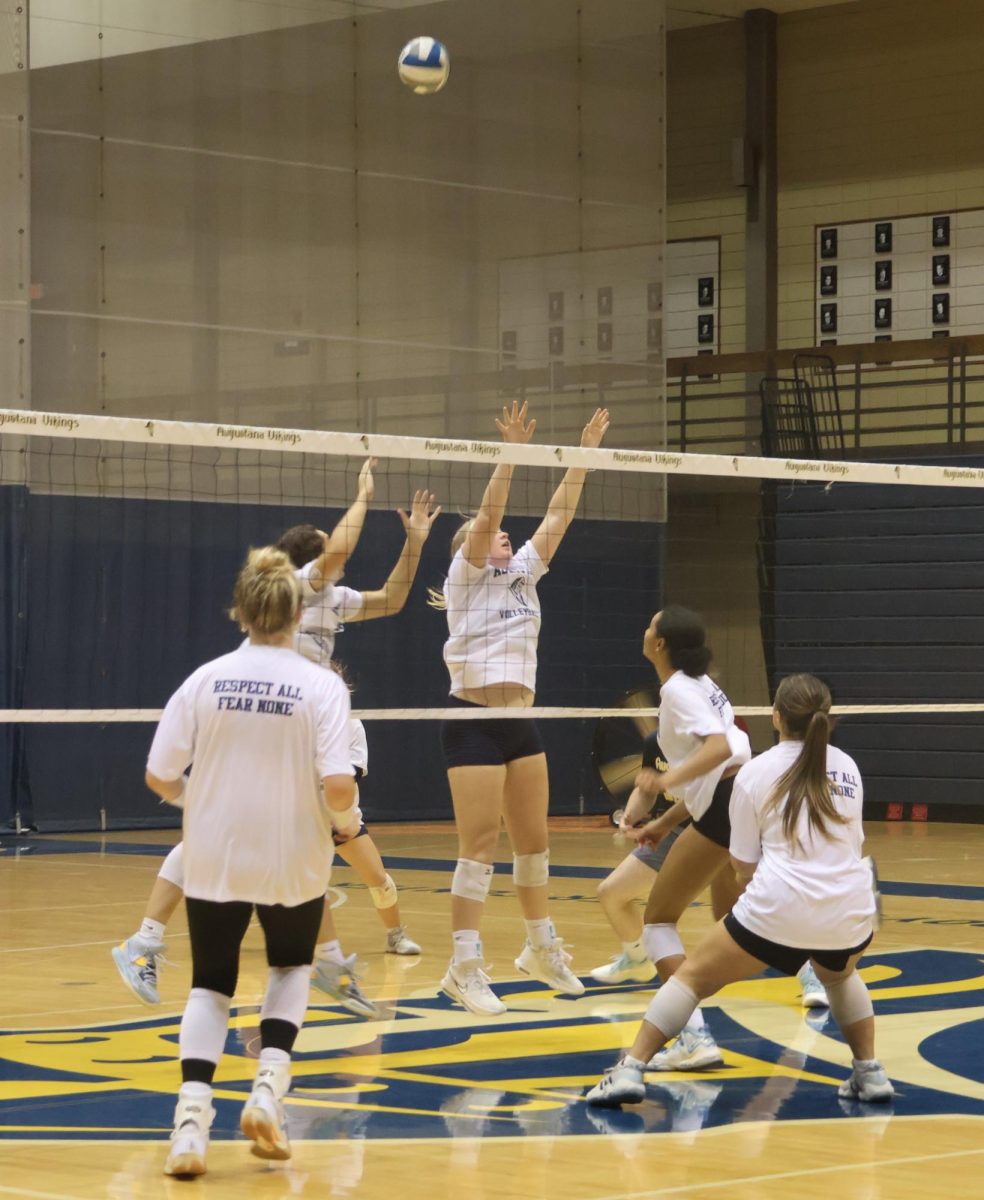
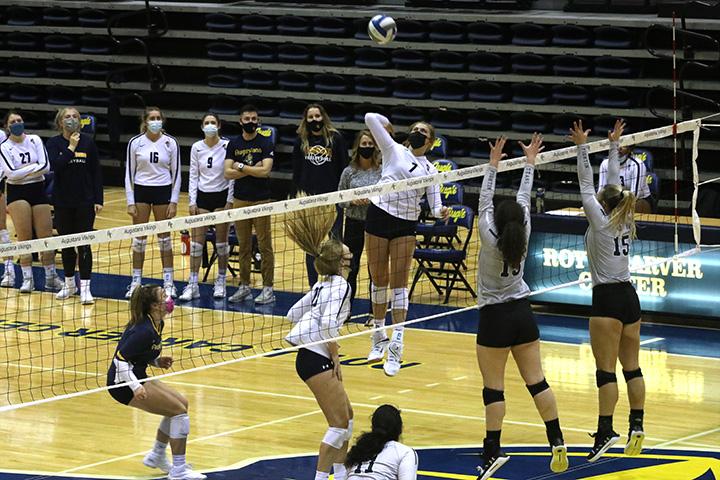
Especially at a liberal arts institution like ours, the benefit is not just the diploma, but the processes, perspectives and expert-guided practice that we have access to.
These very skills and more are specific goals of Augustana’s as well. Here the product isn’t just the paper, but the process.
This has implications, though; without engaging in the process, we don’t get the most out of our product.
At our fine liberal arts institution, we are lucky enough to have a community of professors and students full of passion and love for what they do. They crave engagement, inquiry and (like us all) to tell us about the things they love.
Here at Augustana, I learn just as much about life as I do about my classes, and I wouldn’t have it any other way. Thanks to this community, Augustana is the perfect place to lean into curiosity, care and yearning to understand.
By realizing that education isn’t about just the outcome, but the process, we can focus on the benefits of education, instead of the costs.
This is how we may flourish, rather than just finish.