

























































































There is no way to define masculinity. No one deserves a label because no human is the same. The concept of a traditional or ideal man is archaic and we need to stop measuring a person by their machismo.
For a long time, men have been pressured to be physically strong or dominant in order to live up to the role of provider or protector of their household. But the idea that you need muscles or bravado to do so is not necessarily true.
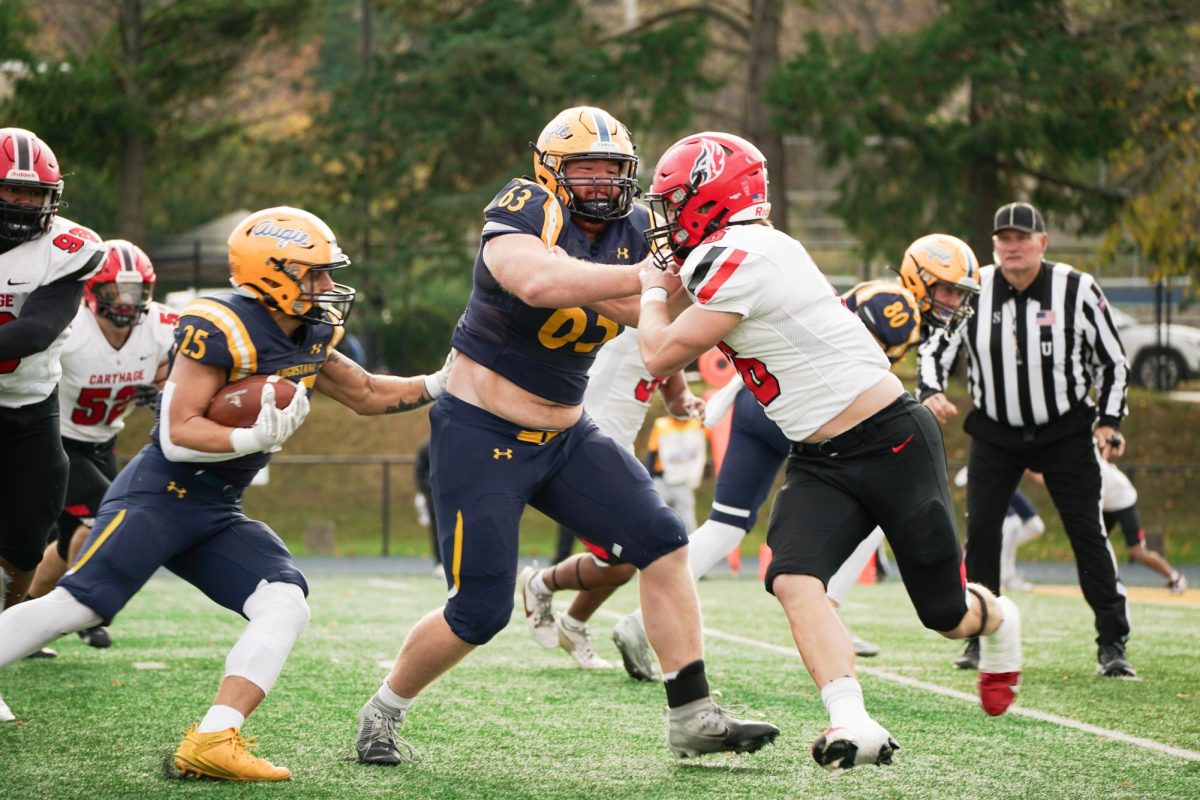
“There is nothing inherently wrong with [traditional masculine qualities]…but you can also be a lot of other things as well,” Zachary Draves, program director for sexual violence prevention and education, said. “The Kelce brothers, Jason and Travis Kelce, are great examples of masculinity…they are these tough football players who look ‘very masculine,’ but they also have a very sensitive side to them.”
Figures like the Kelce brothers are a healthy representation of masculinity without bounds. Even though they still have the tough-exterior, they also have a deeply sentimental side. The problem with these mainstream icons, however, is that they had to prove their strength to be respected.
The fact that they had to earn their emotions is one of the hardest societal expectations to face. The world should not expect a man to work for his tears. In no way does that make up for years of emotional suppression. Expectations such as those not only break a man, but cause countless external issues in the process.
One of the potential issues of growing up with this expectation is the term “fragile” masculinity. While it does not have a finite definition, the term generally reflects individuals who mistreat their relationships as a result of bottling up their emotions. According to department Chair of religion Eric Stewart, this is a result of habits we build from a young age.
“Oftentimes, when men do emote, it comes out as anger, because that’s the one emotion that men are sort of publicly told it’s okay to display,” Stewart said. “Because of our social conditioning we wait until maybe our feelings are hurt three or four times, and then we react aggressively.”
This impulsive aggressive behavior can have a large impact on both platonic and romantic relationships. Because of that trained suppression, men tend to suppress their emotions until they cannot be held back any longer.
On the outside, it may seem easy to break this cycle. Raise your kids to accept their flaws and be open about their insecurities. However, it is impossible not to conform when appearing as an outsider results in ridicule.
The issue with masculinity is not that it is wrong to be strong. The issue is that it is so hard for people to allow themselves to be any different than what society expects of them.
People deserve the right to individuality, no matter their gender. The only chance society has to prevent “toxic” or “fragile” behaviors is to get at the root of the problem. Let your children discover how they want to treat their emotions. If a boy ends up shedding a tear, that won’t make him any less of a man in the future.