













































































As we approach the final stretch of this semester, some potential changes to our terms have been discussed. After the following academic year, the infamous January term will likely be replaced or removed for the better after 5-years of ineffectiveness.
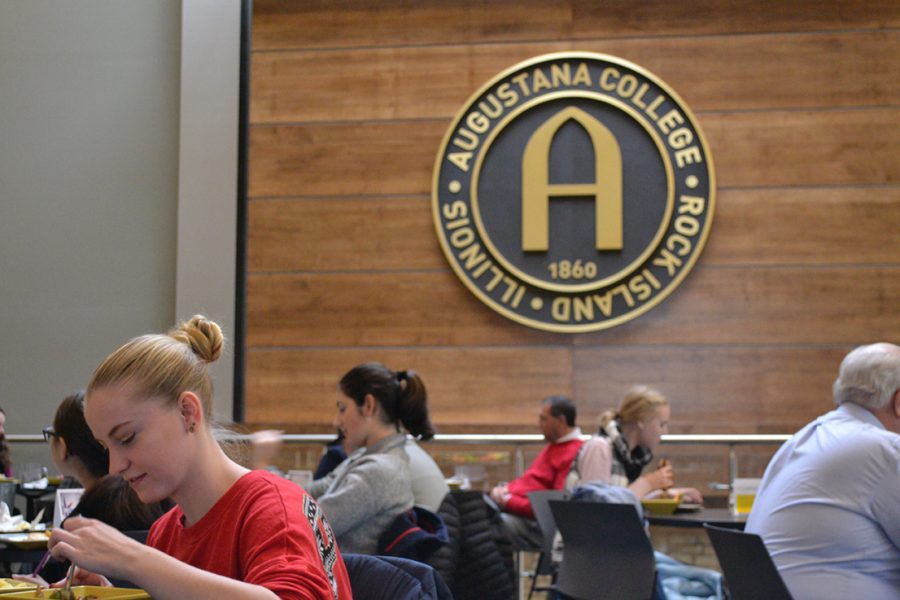
Augustana was on a trimester calendar from 1991 to 2018, with the 2019-2020 academic year being the first year to switch to a semester calendar. Even though the trimester schedule ran for almost three decades, faculty had considered its removal for a long time.
According to Professor James Lambrecht, co-chair of music and director of bands, the removal of trimesters was discussed by the faculty administration for about 10 years.
Like the removal of trimesters, J-term is being debated due to its negative effects on programs like the music department.
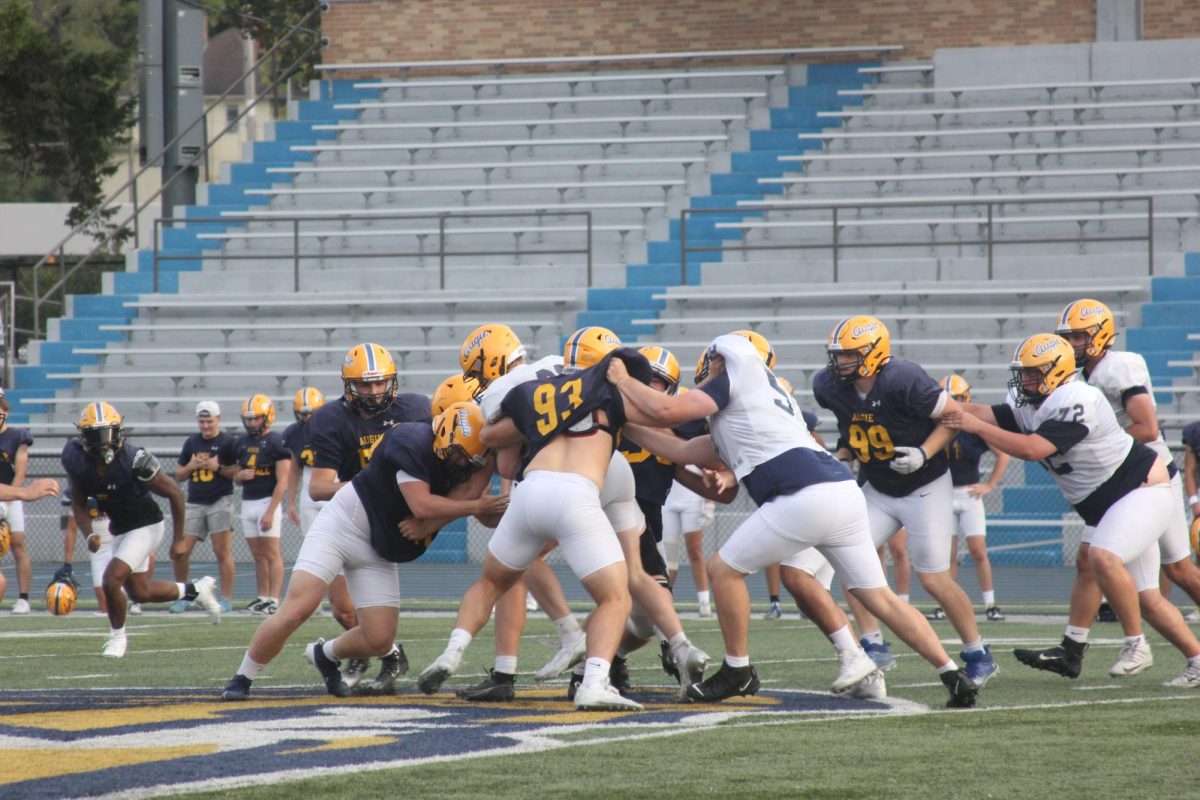
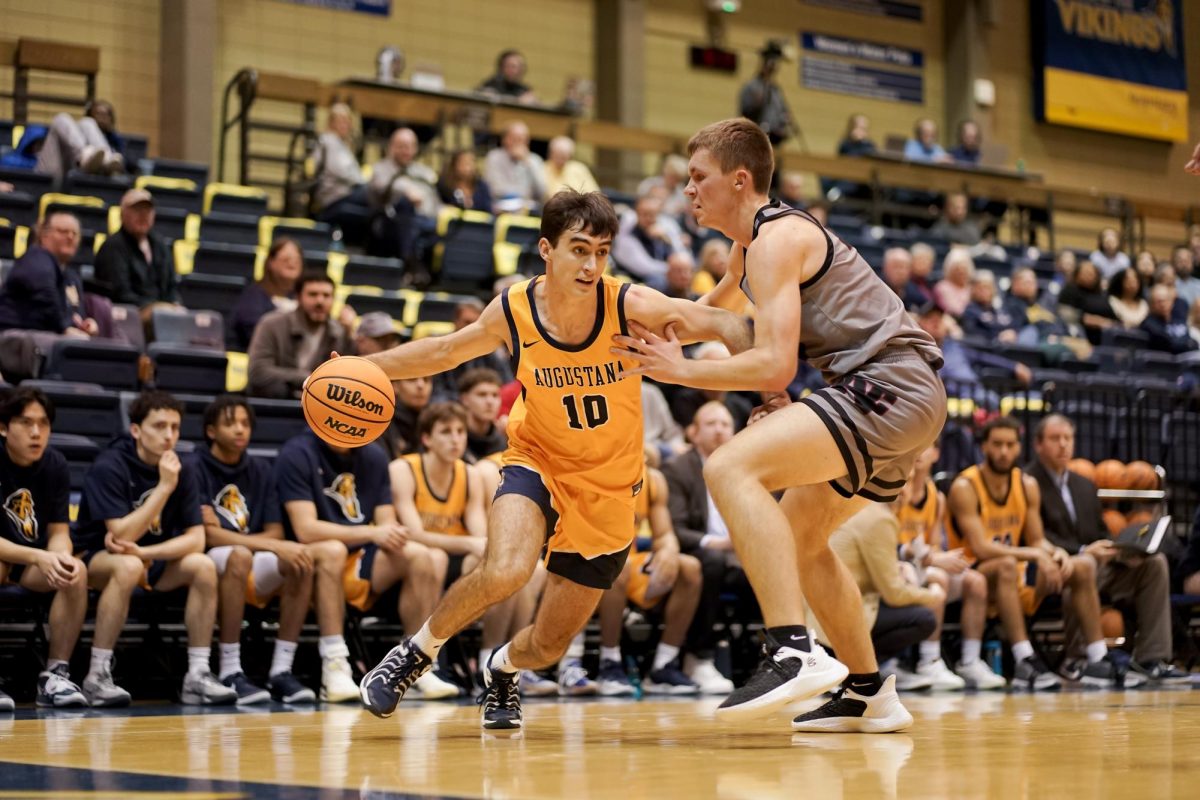
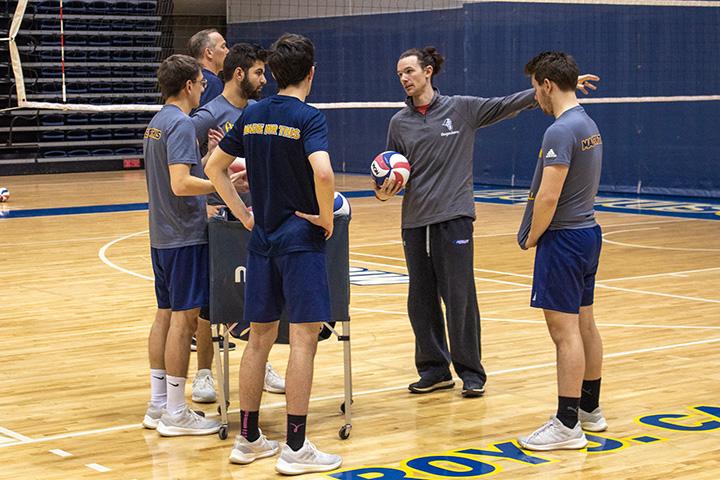
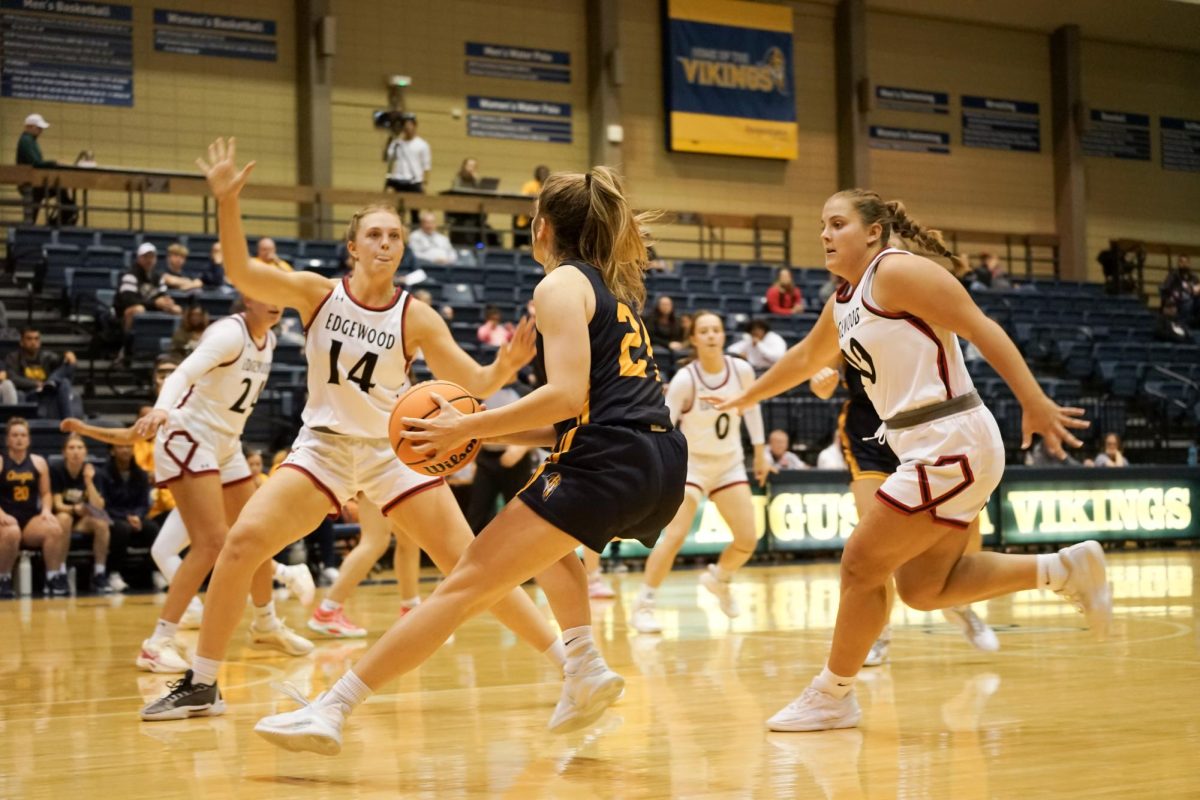
“[During J-term] the basketball team doesn’t shut down. They have to play, because that is their schedule. They have tournaments and are playing games constantly. Yet, for music, we have to stop.” Lambrecht said.
As it currently stands, J-term does not equally support the needs of all campus groups. Whether it is because the administration favors athletics over the arts or because they are just being negligent, no group should be allowed to overshadow another.
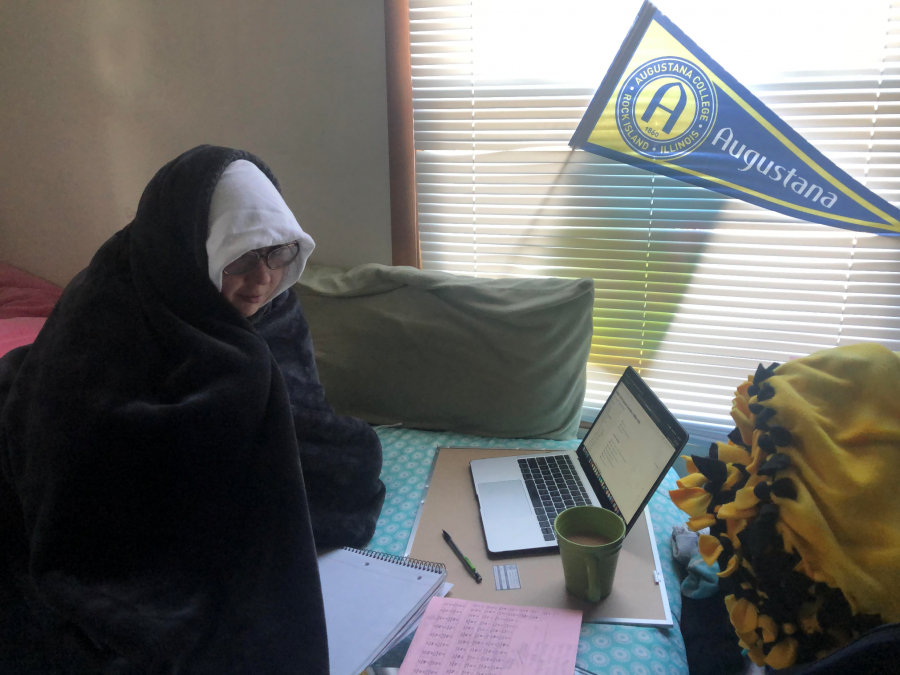
Besides the activity scheduling, J-term falls during the peak of winter’s fury, so students on campus cannot exactly go out to meet their peers. It is possible to hang out inside with your friends, but with nothing but a repetitive Monday-Friday three-hour workday forcing you to get out, it is easy to let yourself self-isolate.
For campus administration, there are still upsides to the J-term that prevent them from completely disarming it. However, according to Dr Lambrecht, the possibility of a replacement term in May is in the works; it is just an option, and there haven’t been any decisions yet.
According to senior Zander Ulam, potential adaptations to the term structure could warrant the administration to remove J-term.
“For me, I found value in J-term, because it allowed me to take a learning perspective class. But I also missed being able to have lessons and ensembles during that J-term period,” Ulam said. “Honestly, I think something like the May-term could work too; it is just a matter of whether the students would actually want to stay until May.”
It is not certain whether or not J-term will exist in the future. However, as it stands, something needs to change. It is not fair to the community as a whole, since only some students have the opportunity to do what they enjoy over this term.
Whether it be a May-term, an inclusive J-term or something new entirely, it is time to get rid of this not-so-winter wonderland as it is currently structured.