


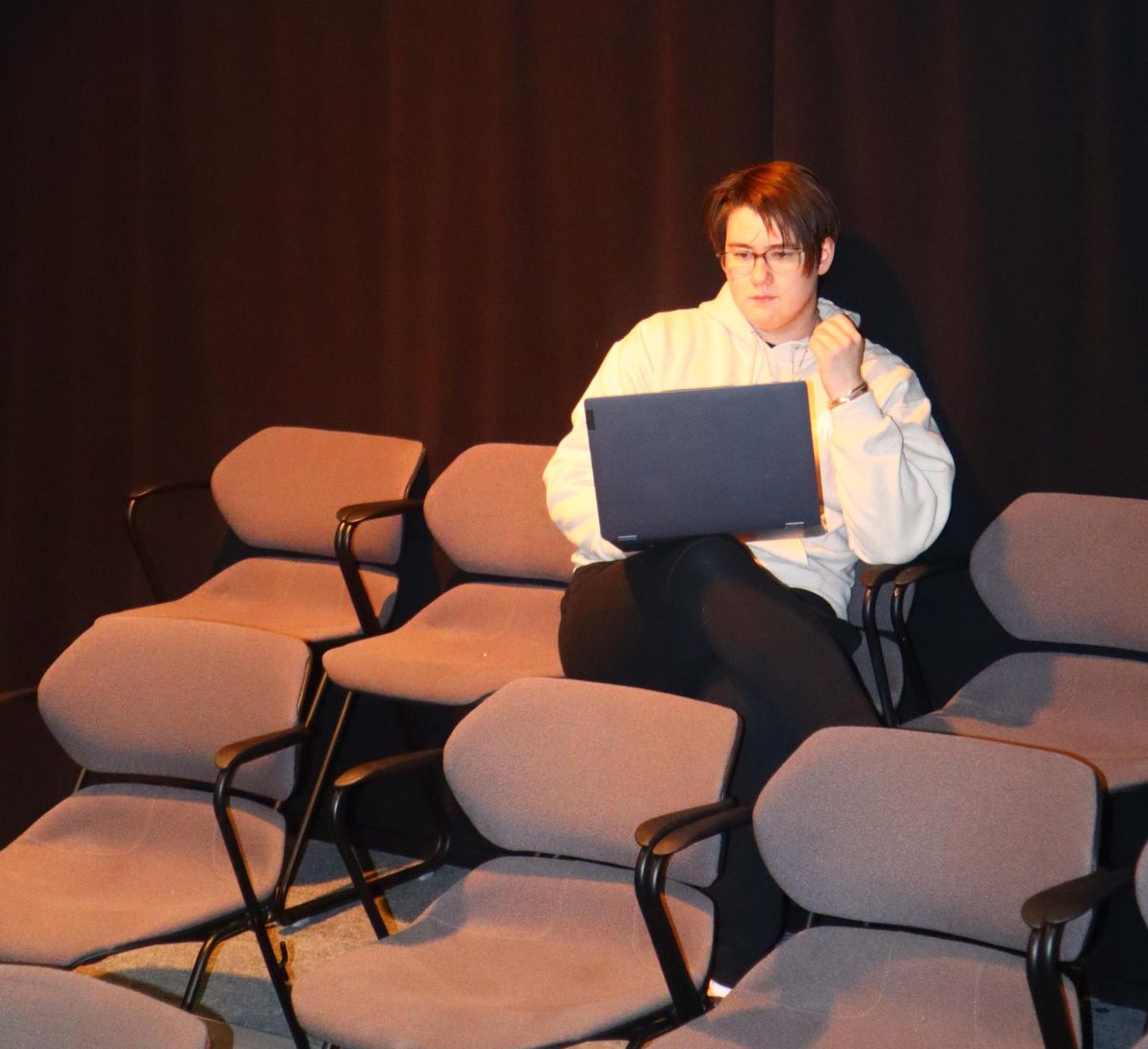









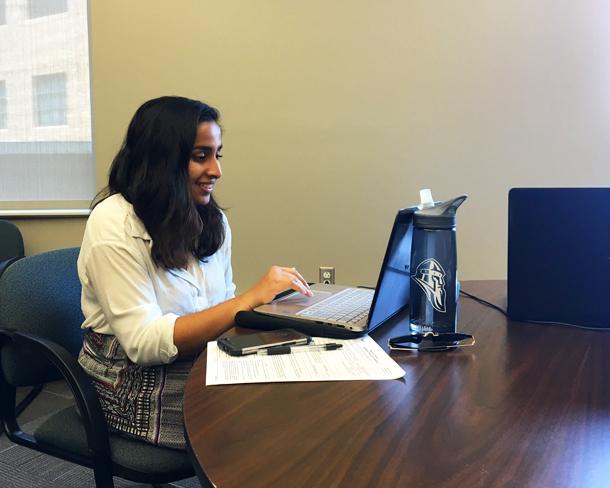



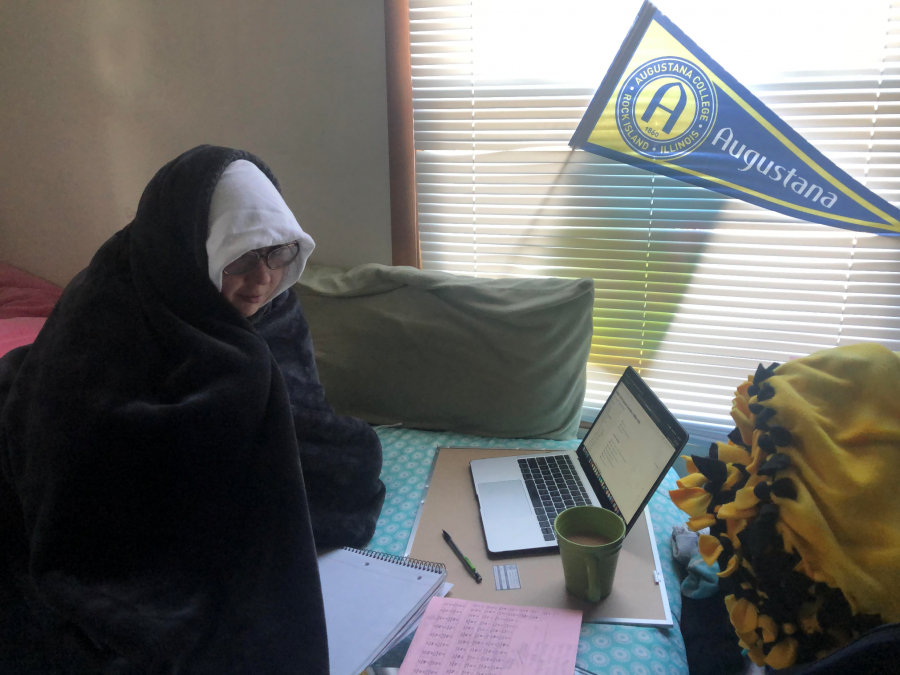























































Classrooms across campus at Augustana College are losing connectivity to online educational resources due to the school’s faulty Wi-Fi. Not only does this prevent students from accessing materials during class, but it also disrupts the class’s schedule. Without an internet connection to rely on, a future with device-free learning is even brighter.
Moving forward, professors across campus should consider increasing learning environments that use less technology, such as group discussions, seminars or physical activities. What all these activities have in common is the “archaic” usage of pen and paper.
Currently, there are three available networks that students can use recreationally: AC2, ACStudents and ACGuests. Only the ACStudents network is specifically designed for the classroom; the other two are intended for visitors or personal, non-educational use, such as phones or gaming consoles.
Even though these networks serve different purposes, they are still all updated a few months out of the year by the Office of Information Technology Services Helpdesk. These updates are also sent to students via occasional emails, but they are so inconsistent that they become a nuisance.
“It has just become a hassle because our devices are set up for that old Wi-Fi, so now we have to come back and go through the unnecessarily long process of downloading and setting up the new Wi-Fi,” senior Michael Steinbecker III said. “It has only marginally improved each year to the point where I do not necessarily think it is worth changing.”
The ITS and the college intend to improve internet quality, but without evidence of actual improvement, the average classroom may find it easier to return to paper learning. However, the network issue is not affecting the campus as a whole.
According to Steinbecker III, Wi-Fi connection issues tend to occur in the Sorensen and Bergendoff buildings. The connection issues are finicky across campus, but these locations are examples of areas that consistently have no service. It could be due to the location of these buildings or their infrastructure, but they consistently show that electronic learning is not as effective in those spaces.
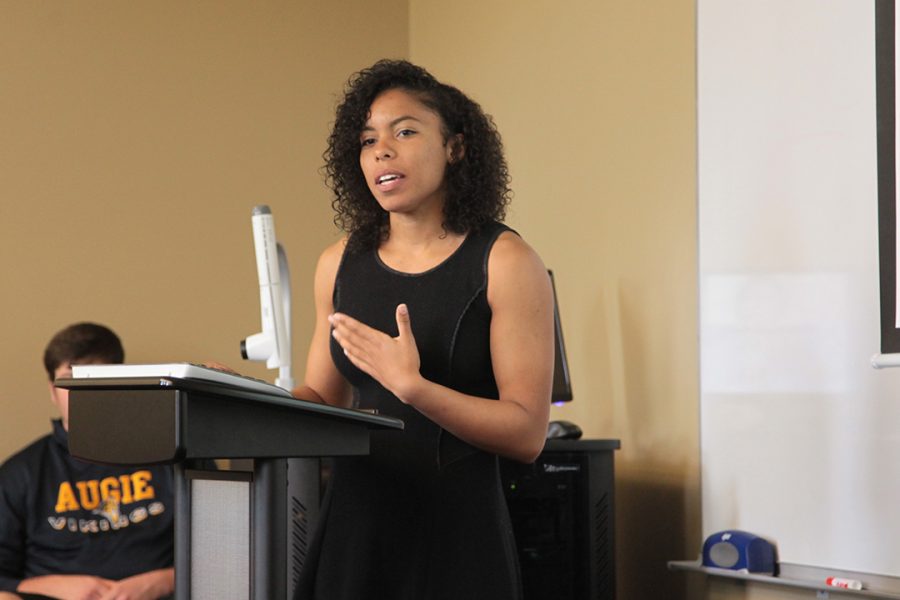
According to senior Charlize Cardenas, paper learning is much more effective and reliable, and knowing we are familiar with it, it should be an easy transition.
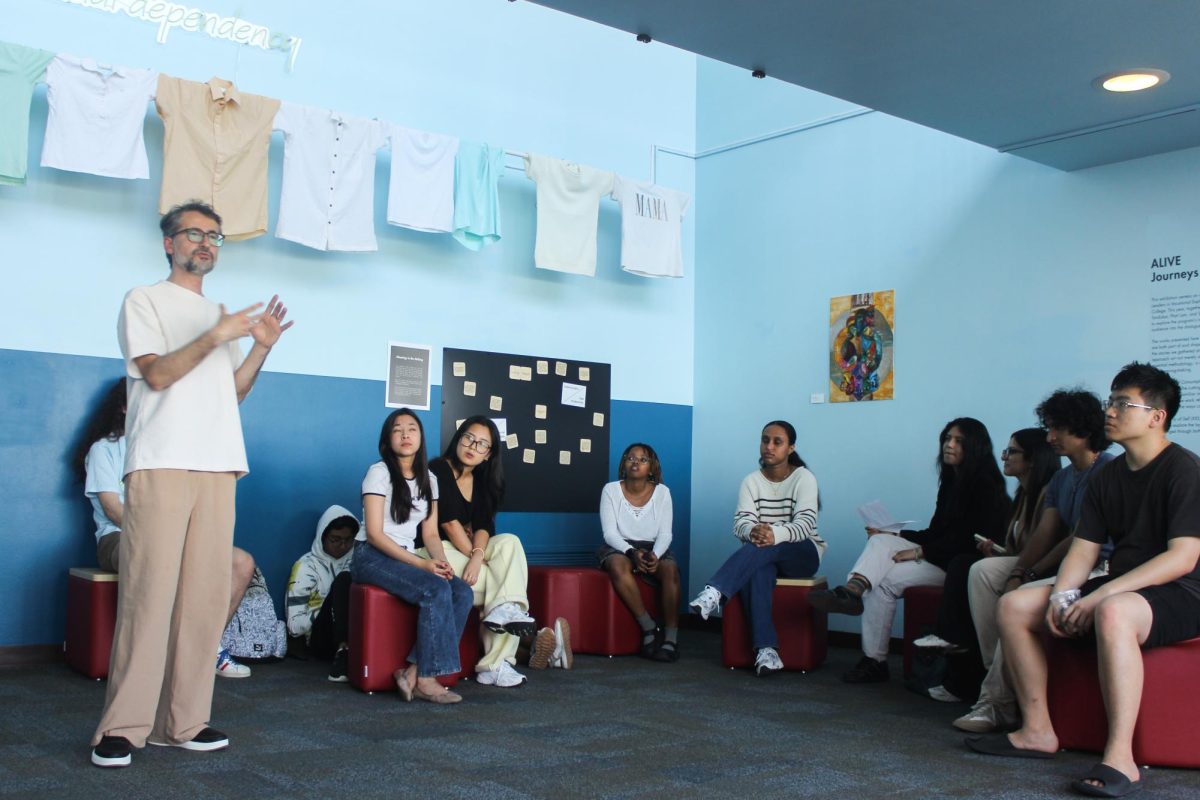
“I have been trying to use paper a lot more because I find that it is a lot more intimate when no one has their computers out, and we are all talking,” Cardenas said.
As inconvenient as it is, the defective internet may be the push we need to move on to better educational practices. Over the last few years, the marginal improvement in Wi-Fi has not proven to be any more dependable. While science, technology, engineering and mathematics (STEM) programs would likely still benefit from online resources, switching to paper in other programs could still be viable.
With so much tech-related uncertainty in the world, it is time for organisations like Augustana College to take the initiative to integrate technology in a balanced way. As efficient as it is to be technologically connected, sometimes a non-technological approach can result in even better connections.