





































Building a snowman can sometimes be a little miserable: your hands might freeze, your socks could get soaking wet and the snowman itself might melt in just a few days. If that is the case, people might wonder why anyone goes back to do it year after year.
The answer is the immense satisfaction that many feel when participating in a tradition. Tradition can sometimes be seen as something that is forced upon a family for generations or a negative thing, but when the participant finds what traditions are important to them and serve their spirit best, it can be an incredibly powerful thing.
In fact, some traditions can be found outside of the family connection and still play a very important role in someone’s life.
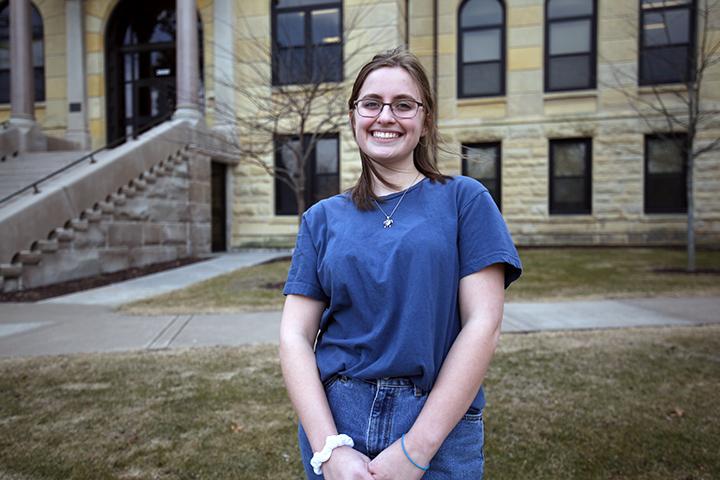
First-Year Ethan Smith said he practices the Nativity fast with his Eastern Orthodox church. Smith said he fasts for forty days, starting on Nov. 15 and ending on Christmas.
While Smith already had the winter tradition of going to his grandmother’s house on Christmas Eve, he said he needed to find something more.
“It’s very new, not inspired by my family, but something I needed to do to kind of help with my mental health. And I think it really helped, having a good tradition and family around to help support me,” Smith said.
Even though many traditions are family-based, the ones that people are able to find for themselves can help them figure out what they want to get out of life and improve their overall quality of life. If someone becomes involved in something that matters to them and is able to keep coming back to it, the benefits range from personal growth to gaining compassion for others.
“There’s so much joy in my life that I didn’t have three years ago, I think that if anybody my age, or even a couple years older or younger than me, if they had the chance…to not only find a tradition, but to also find empathy and care for others, their [mental] health is going to improve as well,” Smith said.
Additionally, the repetition of traditions year after year, especially if you are with a group of people who grow together and support each other, can offer long-lasting nostalgia to all of the participants. Nostalgia is a very complex emotion, but despite the melancholy that it sometimes brings, it can be used as a force for good.
According to the American Psychological Association, nostalgia benefits mental health in many ways, and revisiting happy memories enhances our sense of meaning and belonging.
If we have these memories of tradition that we can circle back to in a positive way, as well as knowing that we can look forward to said tradition every year, the nostalgia around the experience makes life’s rough patches easier to navigate.
Nostalgia can also improve how we deal with stressful situations, and it even helps us when we find less meaning in life and have trouble staying resilient.
According to Science Direct, people who lack meaning in life but participate in nostalgia deal with stress better than people who lack meaning in life and do not participate in nostalgia. Overall, nostalgia and tradition interconnect with each other and our ability to figure out what we want out of life and relationships.
Some traditions may be common, such as caroling or having an intense snowball fight, and others might be a little more niche, like watching Augustana’s planetarium show Season of Light every year. But either way, tradition paves the path for us to connect with ourselves and others and feel the warm spirit all year round.