




















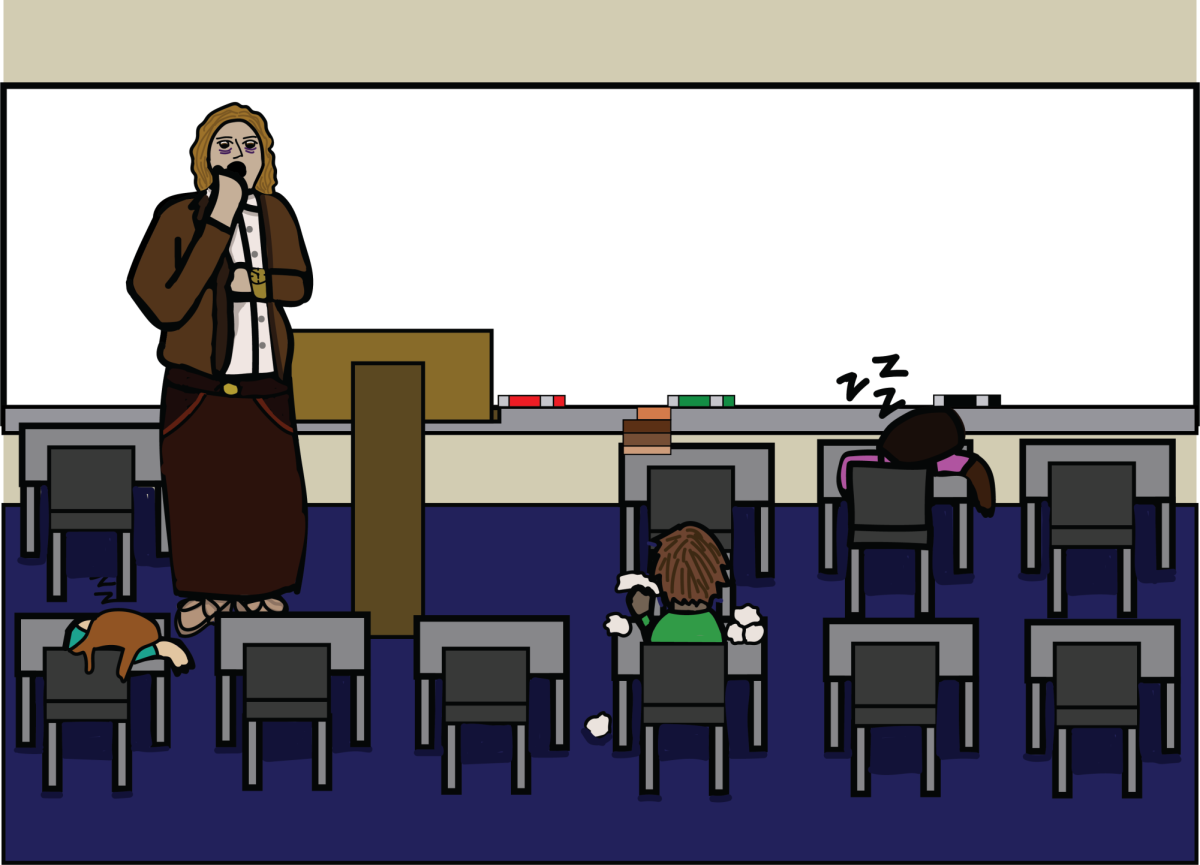

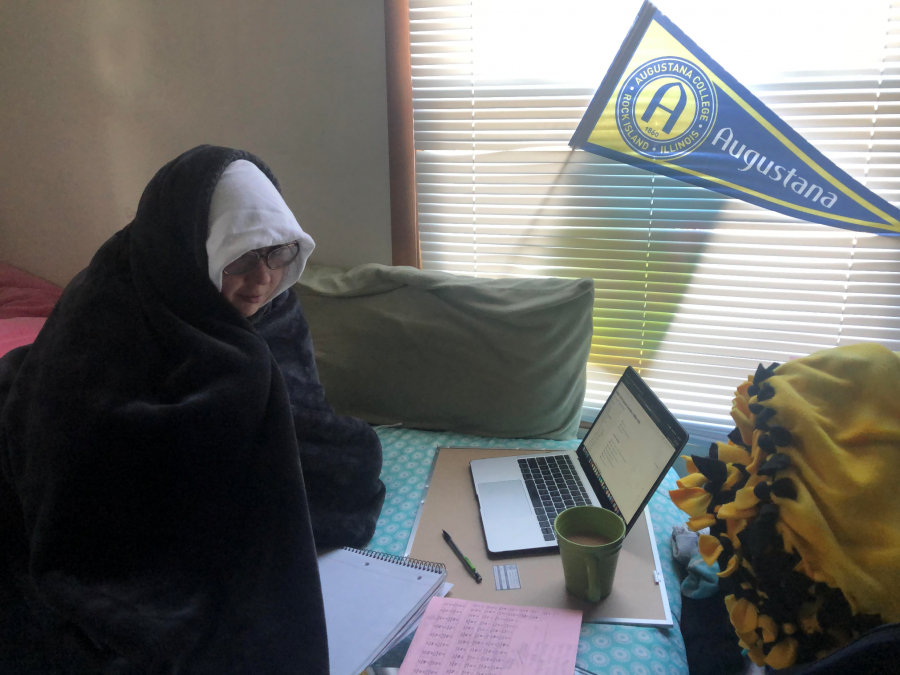






























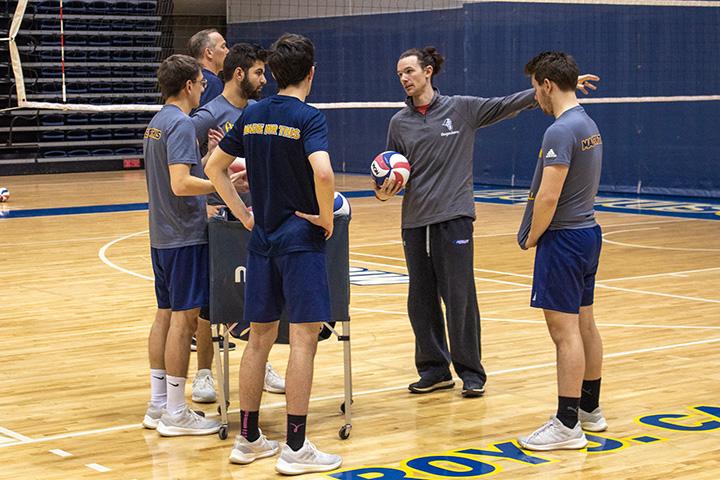





















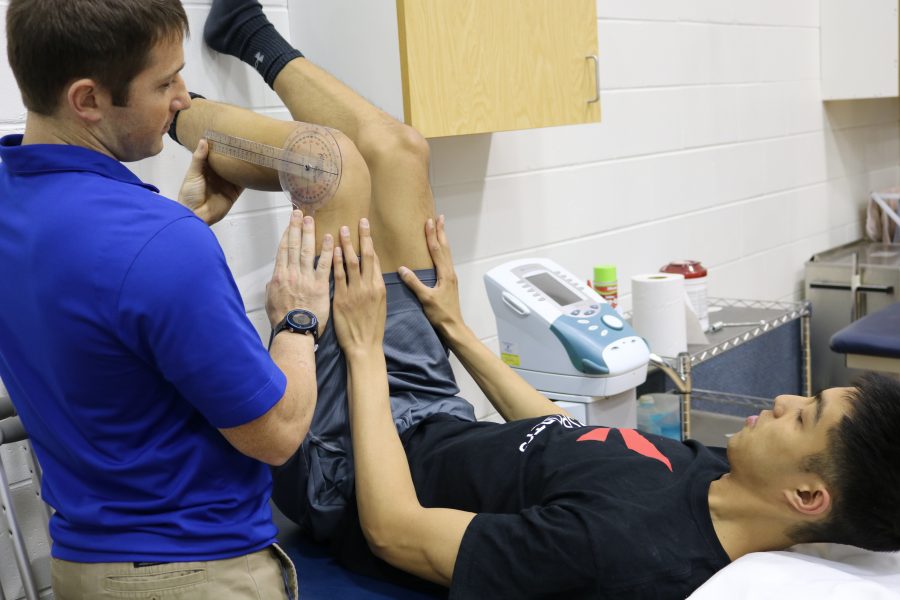














Don’t you hate it when someone starts a yawn chain in your 8 a.m. lecture? But can you really blame them?
Schooling in general can get a bad reputation for being boring, especially lectures. While lectures are important for learning, students don’t benefit if they can’t retain information. The more engaged students are, the more they care and the more information they retain.
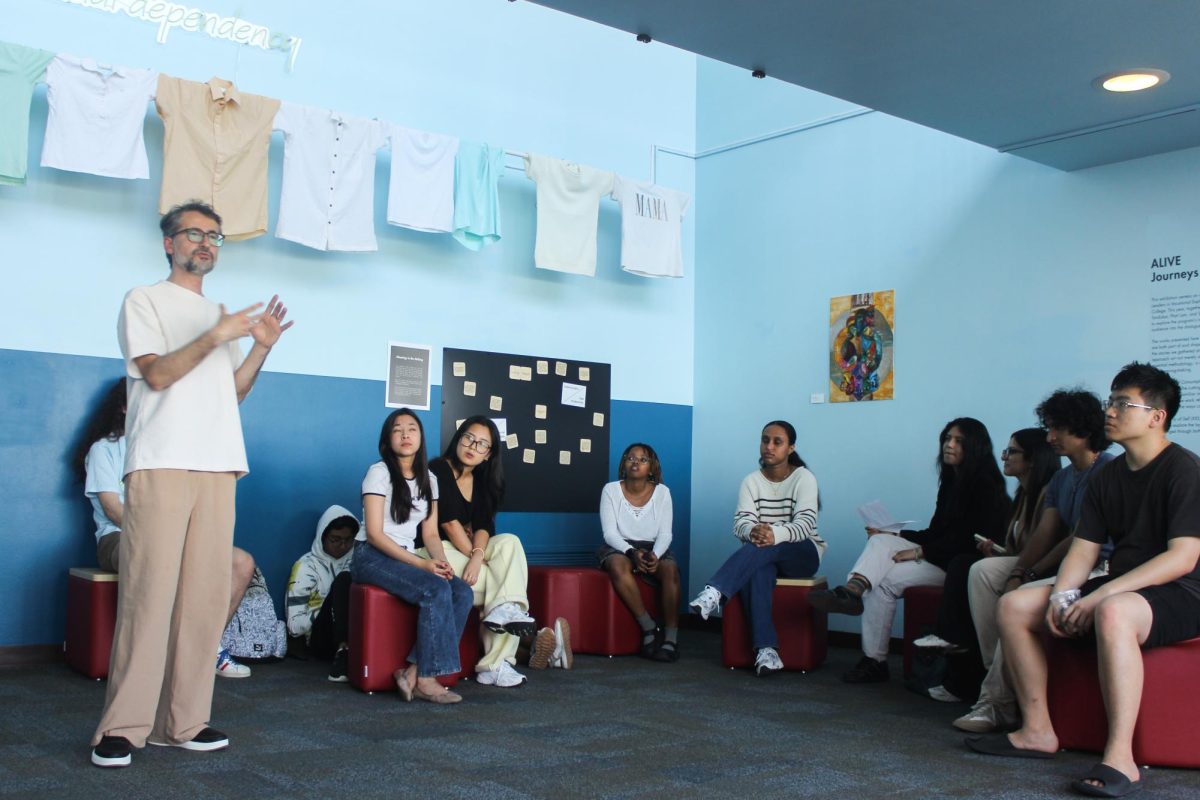
Education professor Mike Egan said he recommends students use tactics such as multi-sensory action, connecting ideas and taking responsibility to feel more engaged in their classes. Egan said that students should find what works for them since we are all so different.
“Teaching and learning is a two-way street. Students have a role to play,” Egan said. “If a student finds themselves bored, talk to your professor after class … or challenge them: ‘Can you give a specific real-world example of this theory?’ Even the learner can advocate for themselves.”
Egan didn’t say low engagement is solely the students’ fault, though.
A journal article found that students learn more from active learning environments than they think or feel they do. According to the research, the reason was that students feel like they learn less due to the increased cognitive effort.
Not only do students need active learning, but they also need to be invited to care. Behavioral science researchers found that promoting factors of learning included the student’s positive emotion, positive learning behavior, positive teacher behavior, teacher-student relationship and partnership, supportive resources and teaching factors.
Also noted in the study were students’ abilities and personality characteristics, which, while relevant, are changeable patterns. Negative impacts included a lack of environmental support and both negative student and teacher behavior, all of which are controllable.
When a learning environment allows questioning, curiosity and interaction, students feel more involved and freer to care about the content.
Not only do emotions and environment play a role, but community and contribution do too. Researchers at Fatima Jinnah Medical University found that interactive lectures fostered deep learning and critical thinking in students, and the strategic use of interaction and assessments improved students’ self-regulated learning performance. This shows that interactivity not only helps our environment but also our own self-regulation.
On top of this, an American Educator, titled “Why don’t students like school?”, answers the question quite simply: Willingham argues that curiosity is the brain’s motivation, but also makes a point about cognitive ease– our brains are not made to think.
This means it’s our responsibility to foster our own curiosity, or ask questions that do so, while avoiding the tempting ease of just sitting back and looking alive. This even supports the argument that teachers should go on tangents or rants that connect to the class material, making it easier to remember and think critically.
So, what should you remember about being engaged? Stay curious, don’t avoid the effort of thinking, stay positive, build relationships, find resources, give yourself or remind yourself of deadlines. The research cited in this article reflects the values of Augustana as we keep growing together.
And if you face a yawn chain? Remember that the brain can’t not think about things, so you’ll instead have to focus on something else. And what better than the classes you’re paying for?
Jack • Mar 9, 2026 at 8:33 pm
This is a great article and interesting topic!
Farrah Roberts • Nov 26, 2025 at 4:18 pm
Great article! Augustana students have so much to offer in the classroom, I appreciate you bringing this perspective to light.