





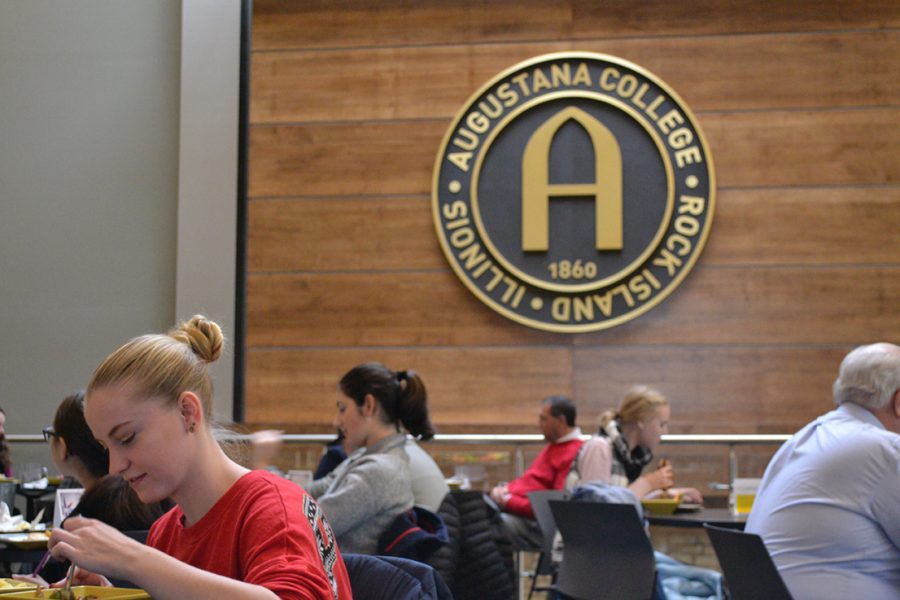





















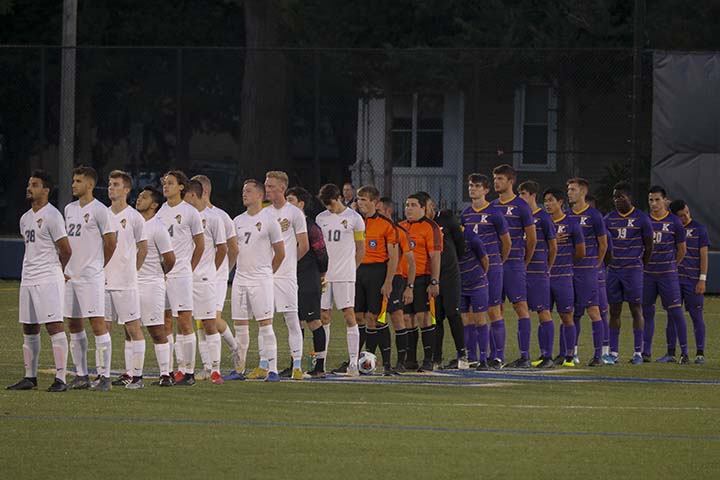




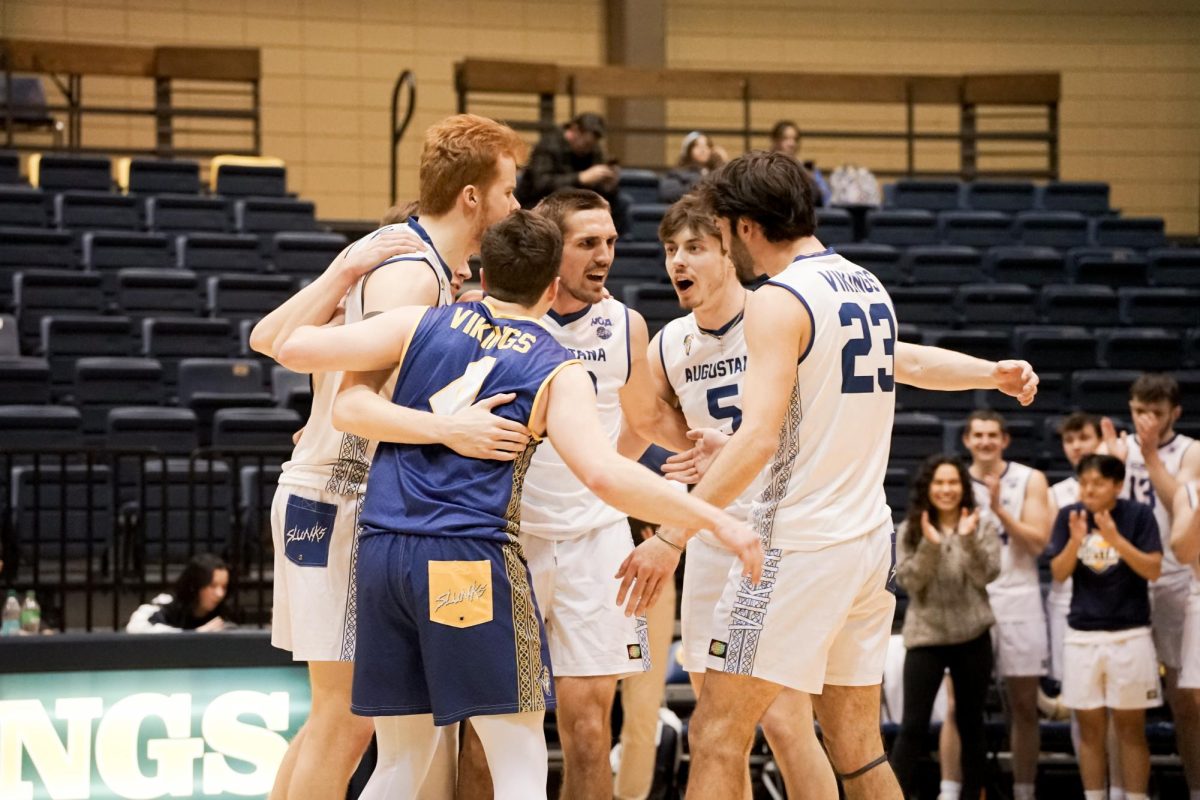
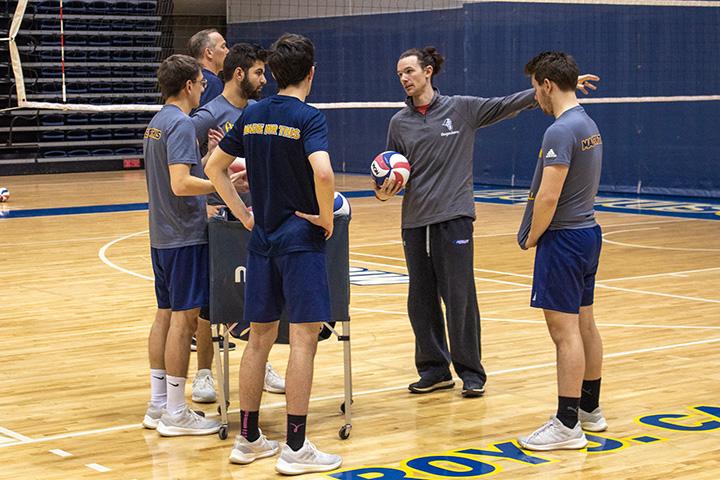
















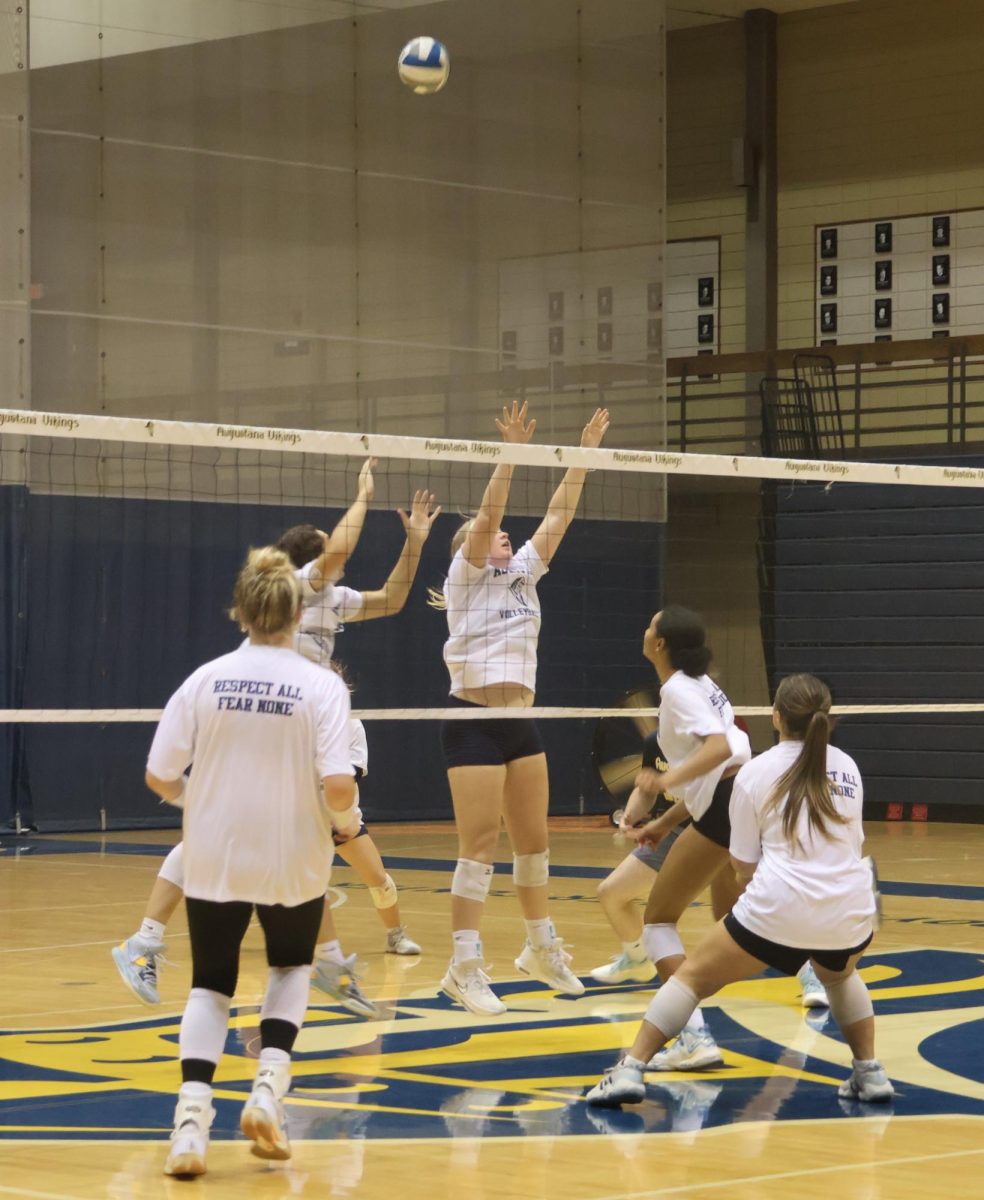
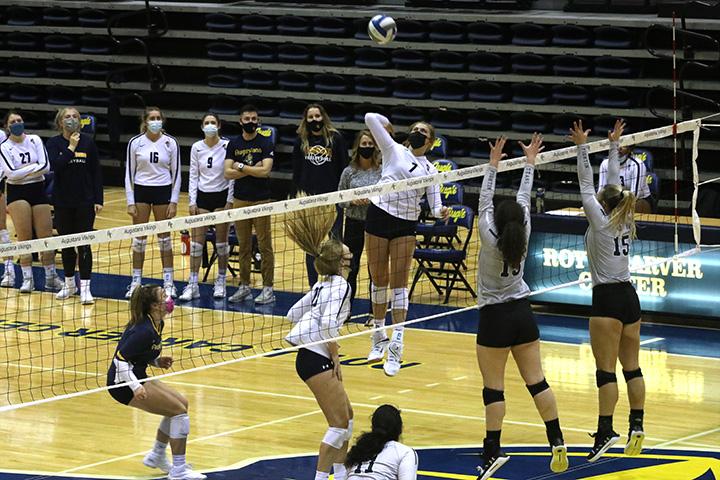
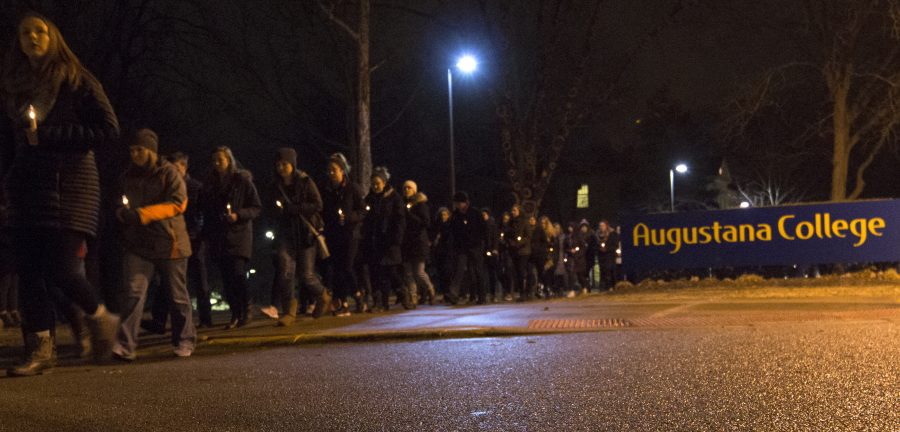






In the evenings, students may be practicing for their sports teams, busy with the arts or studying with their peers in the Brew by the Slough. Yet, no matter what students may be doing, the darkness of the outside world has already settled upon campus by 5 p.m., before a majority of students have even eaten dinner.
The recent time change from Daylight Saving Time (DST) to Standard Time on Nov. 2 has set the U.S. back an hour, with the sun setting sooner than most would like. Moreover, the “fall back” also introduces a huge mental, emotional and even physical setback for the lives of countless people, especially adolescents, around the country.
Many young adults get SAD, but not just the emotion, the disorder. Seasonal Affective Disorder (SAD) can happen during any season of the year, but the National Institute of Mental Health (NIMH)’s website states it is far more common to affect someone living through the winter and even more common the farther north someone lives.
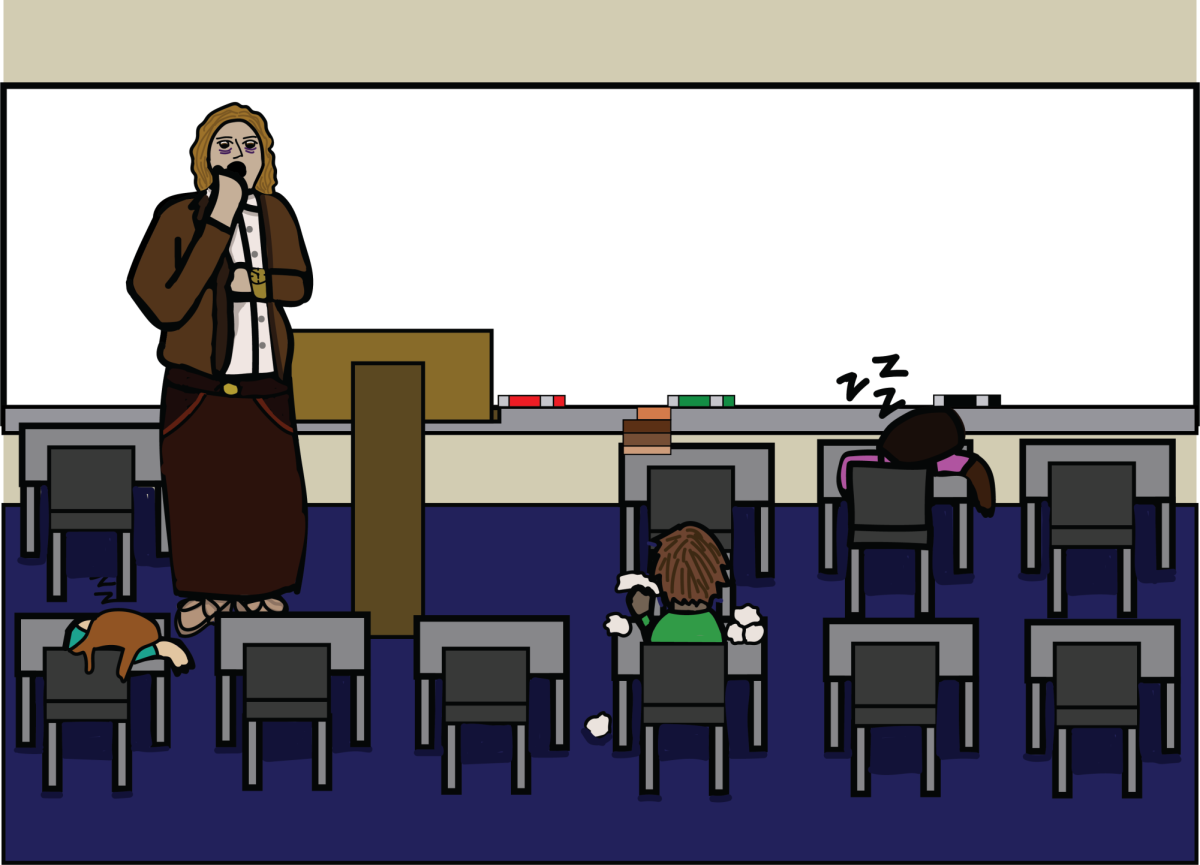
According to the NIMH, SAD is a form of depression related to the changes in seasons and daylight hours, with symptoms lasting as long as four to five months of the year. The NIMH lists the most common symptoms specifically for winter depression, which include oversleeping, overeating and social withdrawal, or “feeling like ‘hibernating.’”
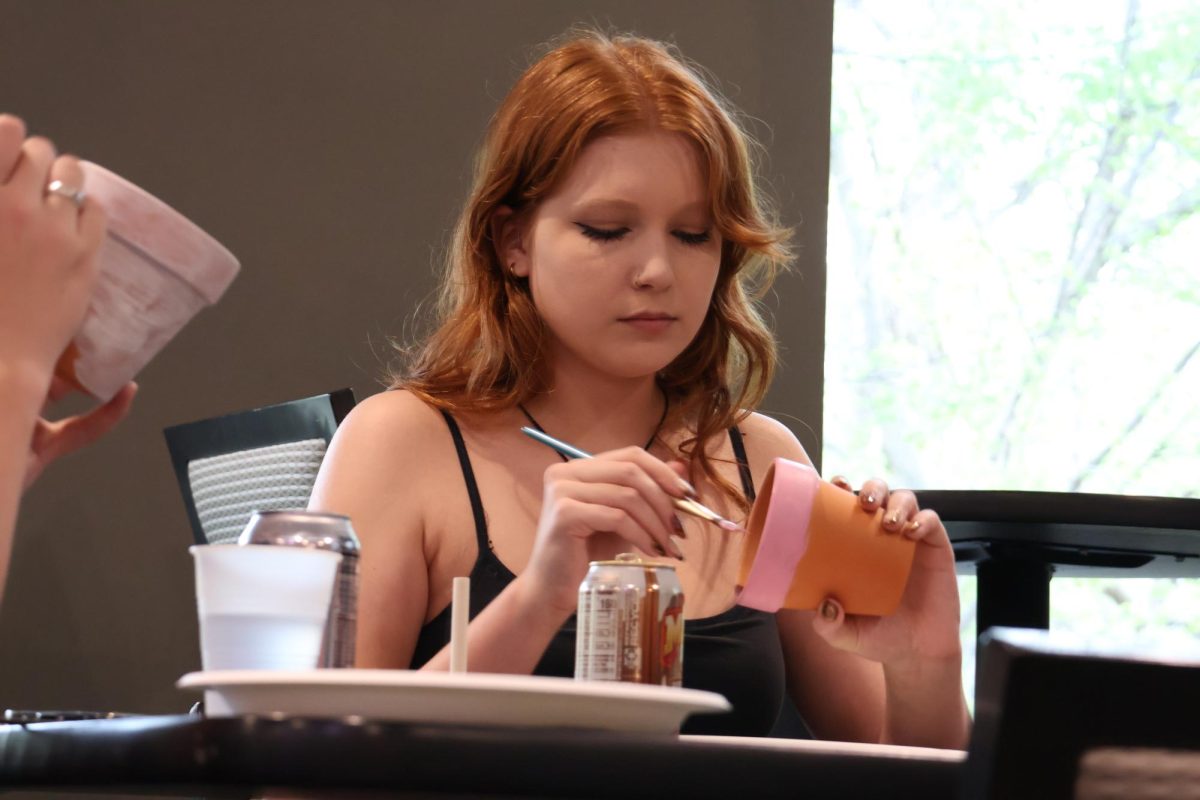
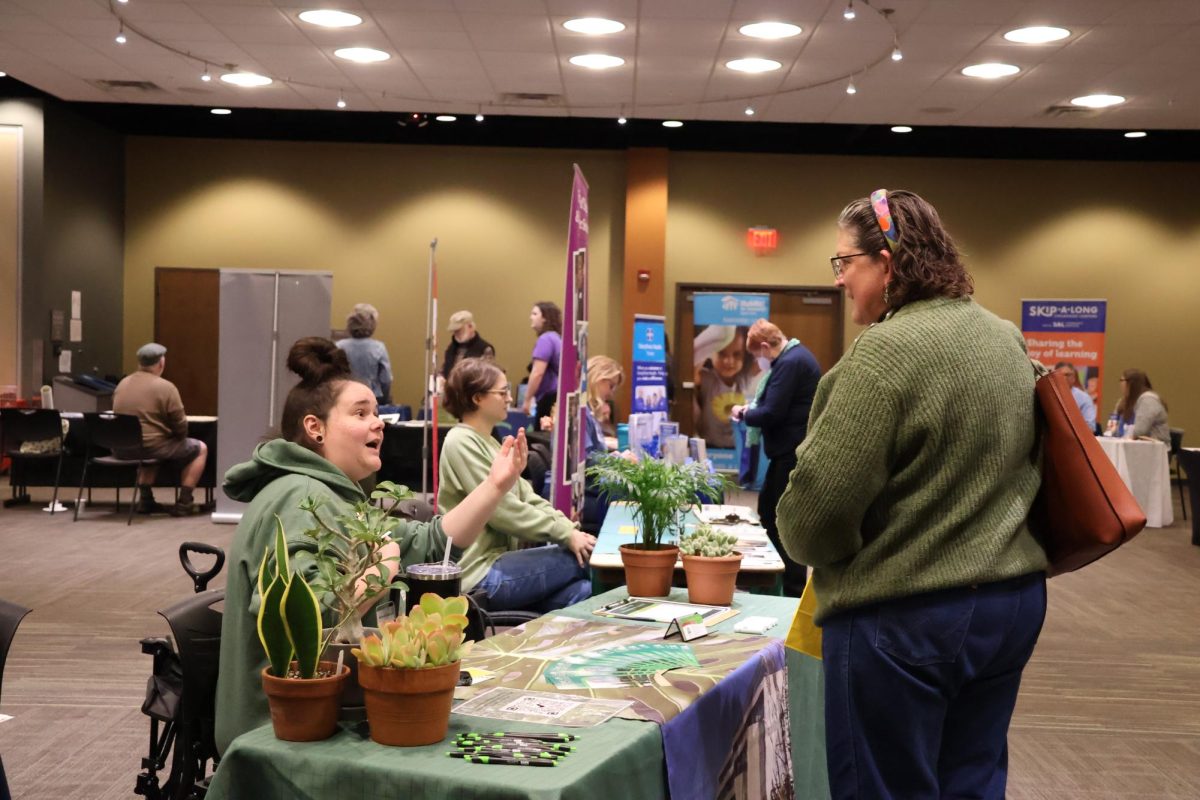
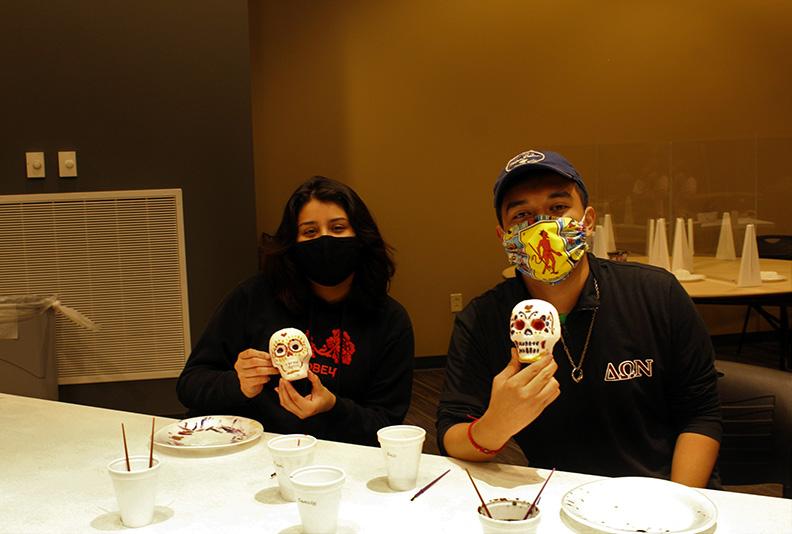
These habits can be extremely easy to fall into during the winter months, but it is imperative for students to try to remain mentally healthy and take care of themselves despite it all. One of the most essential parts of trying to beat this winter slump is by showing up to the clubs, activities and social events that you normally attend.
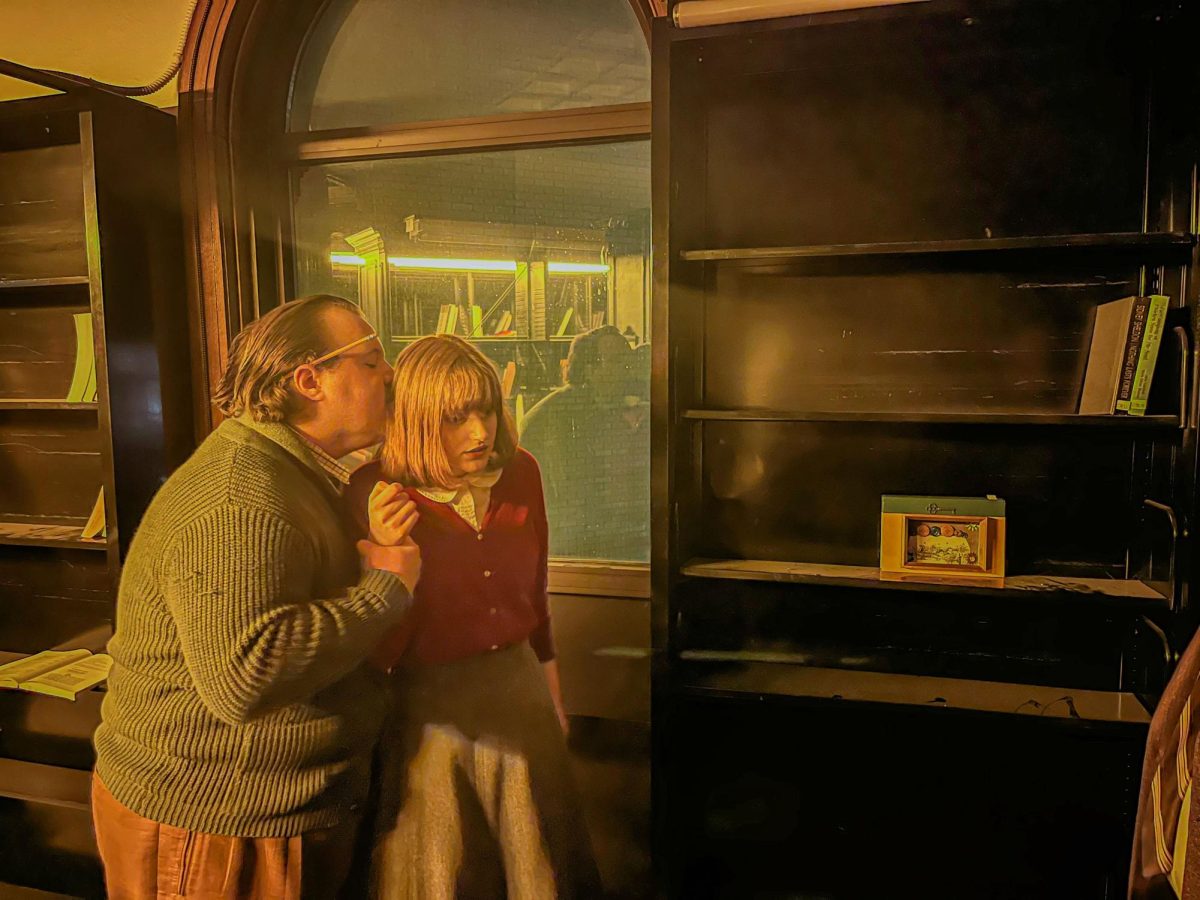
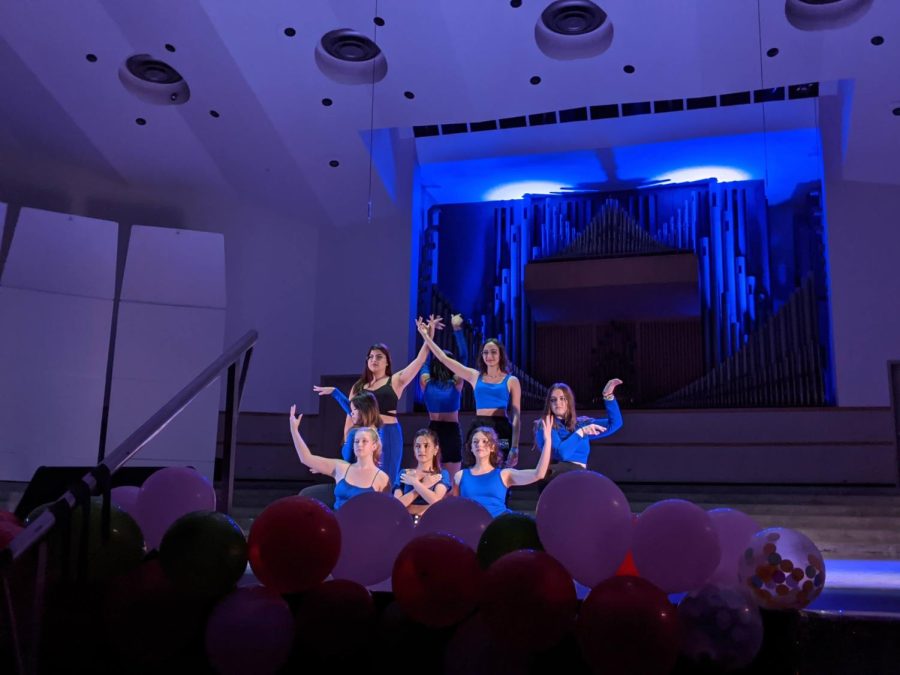
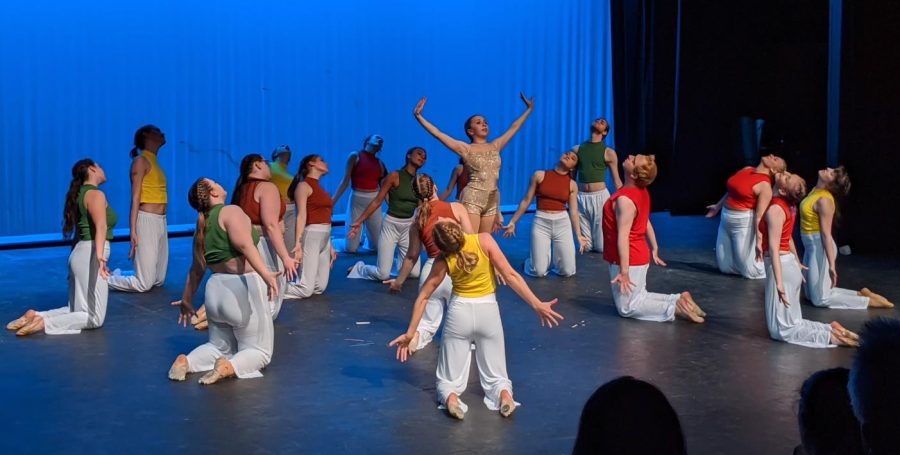
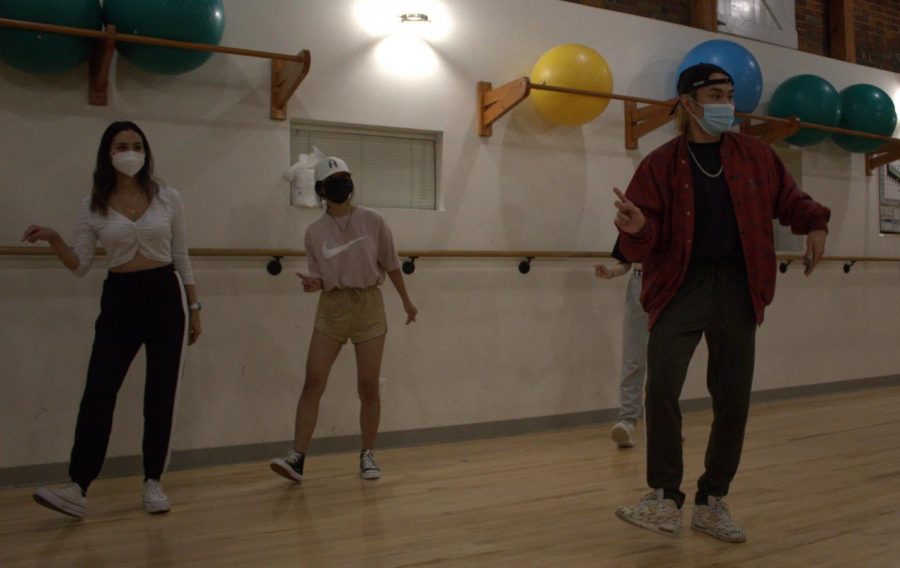
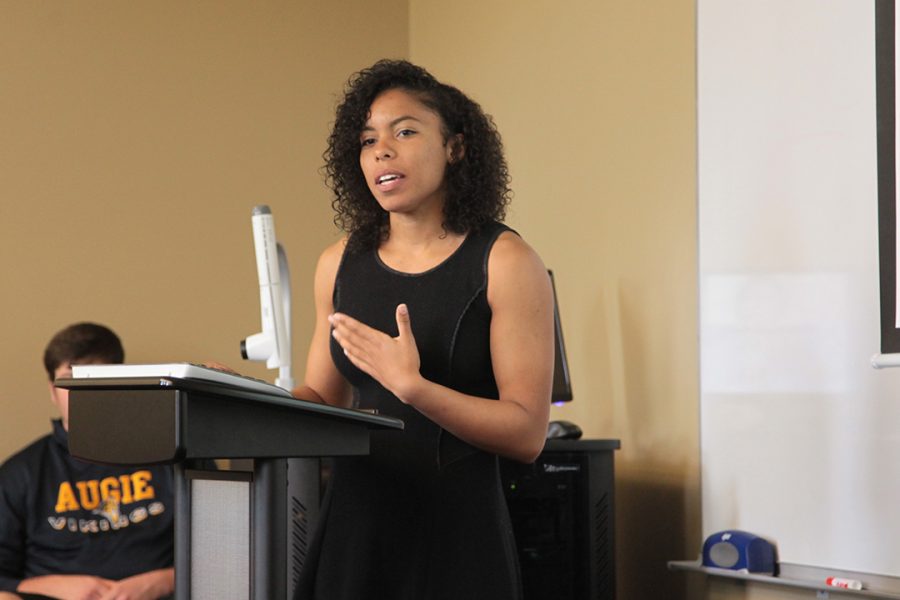
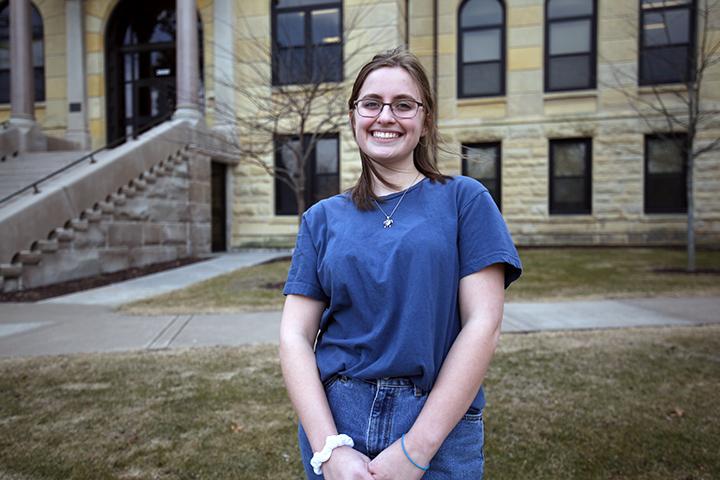
SAD might make these things harder, but getting out of bed despite the world’s dismalness and darkness can make a massive difference in how someone feels. Senior Fiona Brady discussed how she relates the clubs she is involved in, which include Augustana Dance Company, Sierra Club, Jenny Lind Choir and theatrical productions, to her life during winter.
“I find it’s really helpful to have that schedule, because even if I don’t feel super motivated and super excited to go to the things I do, I know I have this commitment that I’ve already put in so much time and effort into,” Brady said. “Knowing I’m part of something that I can continue to contribute to is really helpful.”
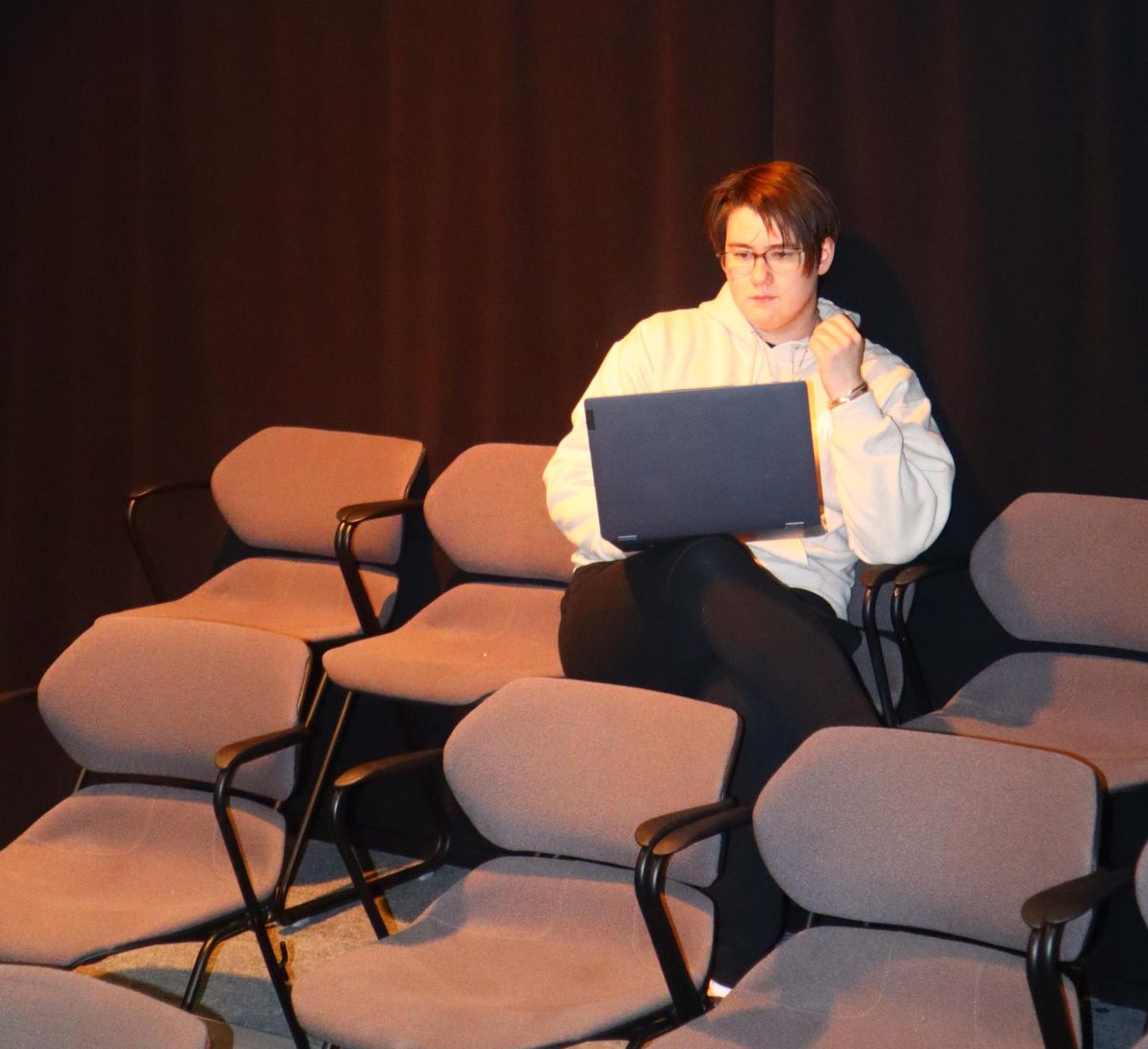
Even the simple act of leaving your room to study and opting for the library can be an alternative to the isolation that might come from staying in the residence halls. SAD often affects people’s ability to go out and be social, and many want to draw into themselves.
But even going to a place where a lot of people are, even if not explicitly interacting with them, can still improve someone’s mood. Brady talked about her experience during J-term as a First-Year and how the setting she was working in greatly influenced how she felt.
“I found even spending more time in public spaces instead of just kind of staying in my room and wallowing … was really helpful, because even if there wasn’t a set activity, there were other people there, kind of maybe doing the same things as me,” Brady said.
Sometimes it feels impossible for students to find a reason to participate in the things they normally do during non-winter months. Even those who don’t experience deep symptoms of SAD can still be prone to moments of gloominess and exhaustion simply because of light patterns.
Students must try to take control of their own lives and schedules to combat these negative winter emotions. While it may be a struggle, dedication to clubs and purposefully putting yourself in public places where you can work alongside peers can make a world of difference.
The sky blackens faster every night, leaving students covered in a blanket of what some feel is isolation and loneliness. But the sooner we get into good winter schedules, the faster we can stop the lack of sun from keeping us down.