
























































The Rock Island City Council voted to approve the sale of 10 acres of land from the Milan Bottoms at their meeting on Oct. 27, despite surrounding concerns from local citizens and environmental groups about the city’s developmental plans. A second reading must take place before the land officially changes hands to Hanna Illowa LLC.
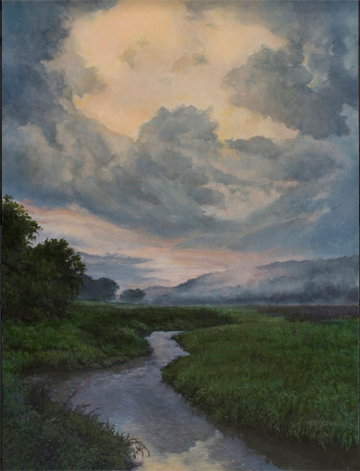
The Milan Bottoms is a 3,500-acre wetland home to many endangered species, most notably bald eagles. In March 2025, a push for conservation in the area emerged as the process to sell land commenced, such as local “roost-ins” held in protest of the city’s development plans.
Third Ward Alderman Linda Barnes said that she heard from both sides of the issue. Barnes said she appreciates the passion from the community, but knows the city is having financial struggles.
“We are not able to fully fund our fire and police pensions fund,” Barnes said. “So without a significant increase in revenue, we’re looking at a very real possibility of having to raise property taxes in the near future.”
Adriana McBride works to communicate updates concerning the Milan Bottoms to the public through a Facebook page titled “Save Milan Bottoms.” McBride communicates the process of the sale and advocates for conservation.
“Wetlands themselves are becoming an endangered species. There’s not that many places that [wetland animals] can go in peace without humans messing with them,” McBride said. “So this is unfortunate that one of the last places of that kind, especially in the Quad Cities, is under threat due to development interests.”
Special Events Chair for Augustana’s Sierra Club, sophomore Annika Sevig, said there are many dangers involved with construction on the wetlands. With the location being close to the Mississippi River, she said building on the wetlands would act as a sponge that could cause flooding.
Additionally, Sevig said construction could also remove organisms that hold carbon dioxide and reduce harmful greenhouse gases in the atmosphere.
“It feels like ‘10 acres, ok whatever’, but when you keep doing that over and over again, you’re just putting more and more of this stuff that’s causing climate change…and making the cycle exponentially worse,” Sevig said.
