










































What comes to mind when you picture an autistic person?
Do you picture someone experiencing intense, distressing meltdowns in public? Someone who is unable to care for themselves or be independent? The classic “special ed” kid from grade school, who was simply too weird to eat lunch with?
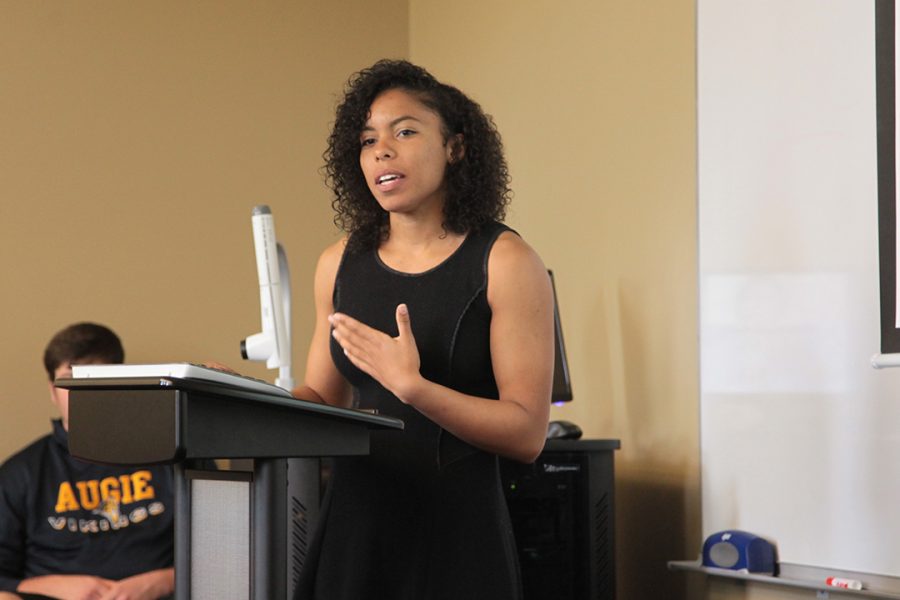
Autism can look like all of these things from an outside perspective. But for those on the spectrum themselves, the experience is not nearly so depressing or restrictive. Cathy Webb, the head of the disability minor at Augustana, gave her own definition of autism.
“Autism is a mismatch in communication styles between two groups of people,” Webb said. “Those mismatches can lead to miscommunications and misunderstandings.”
Autistic people simply see and interact with the world differently than those who are not on the spectrum. The condition is by no means characterized by constant pain or suffering.
In fact, for some, being autistic can actually be quite fun.
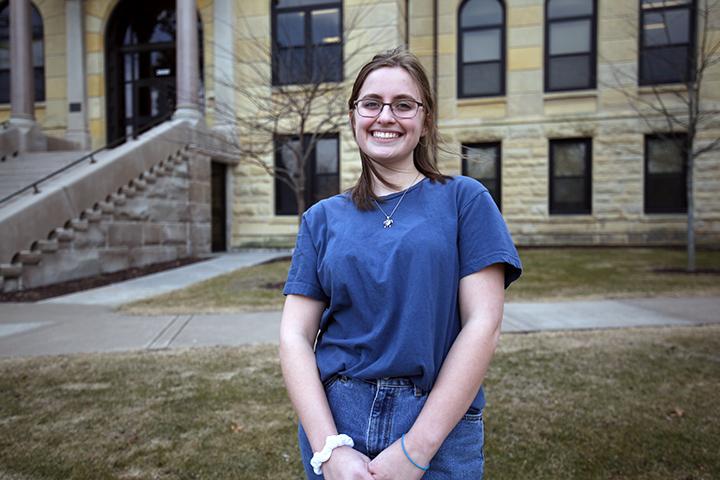
Senior Helena Smith is an autistic student and the current president of the Neurodivergent Student Union (NDSU), formerly known as Augie Autistic Experiences. Although Smith admitted that there are many difficulties to having autism, they said there are also many positive things that come with it.
“We have lots of passion,” Smith said. “I think of hyperfocusing and our special interests. That’s the most fun thing about autism. I don’t think it’s inherently doom and gloom. Autistic joy is very strong!”
However, this is not the dominant narrative about autism in the nation’s current political climate.
US Secretary of Health and Human Services Robert F. Kennedy Jr. has deemed autism an “epidemic”, warning citizens against taking acetaminophen while pregnant. Kennedy has claimed that, in doing so, Tylenol and similar products can cause autism to develop in fetuses, despite the lack of definite evidence to establish a causal relationship between the two.
This unproven and unsubstantiated claim is merely the most recent in a long line of misidentified causes for autism.
Back in the 90s, the anti-vax movement was incited by a study that seemed to establish a link between autism and the MMR vaccine, known as the Wakefield study. This study has since been debunked and retracted from scientific literature; however, the misinformation created by the research is unfortunately still out there.
This rhetoric about acetaminophen is also part of a larger trend of blaming mothers for their children’s autism. In the 1950s, there was a prevalent psychological theory that autistic behavior was caused by “refrigerator mothers”, who were emotionally distant from their children. The modern rhetoric about acetaminophen rings similar bells.
“Just as refrigerator mothers were blamed from the 50s to the 70s, now we’re saying that if you took Tylenol, if you couldn’t tough it out, it’s your fault that [you] had this autistic kid,” Webb said.
The entire concept of “solving” autism is dehumanizing. Autism is not a disease. Like any disability, it comes with disadvantages, but when those disadvantages are accommodated, autistic people often lead very happy and fulfilling lives.
Senior Sarah Welker is a member of NDSU and has an autistic brother, as well as being suspicious that she herself may fall on the spectrum. They expressed frustration at the dismissive attitude that politicians seem to have toward people like her and her brother.
“They just don’t seem to care, which is the problem,” Welker said. “Like, ‘oh, neurodivergent and autistic people? Go fix them.’ They’re people! We’re people! I don’t understand why you need to fix an invisible problem! None of us feel like we need to be fixed!”
Autistic people simply do not want to be cured. In fact, given how intertwined autism is with the way autistic people’s brains work, a cure for autism might not even be possible. For instance, junior Keela Sawyer, the vice president of NDSU, sees themselves and their autism as one and the same thing.
“I cannot conceptualize a version of myself that is not autistic,” Sawyer said. “The running joke is that when I die, you need to bury me with my headphones because my ghost will also be autistic.”
Because neurotypical people often have a limited understanding of autism, many often assume that they know what is best for autistic people. They see us struggling and conclude that we would be better off if we weren’t autistic.
But the truth is, autistic people like being autistic, and we don’t want to be anything different.