



























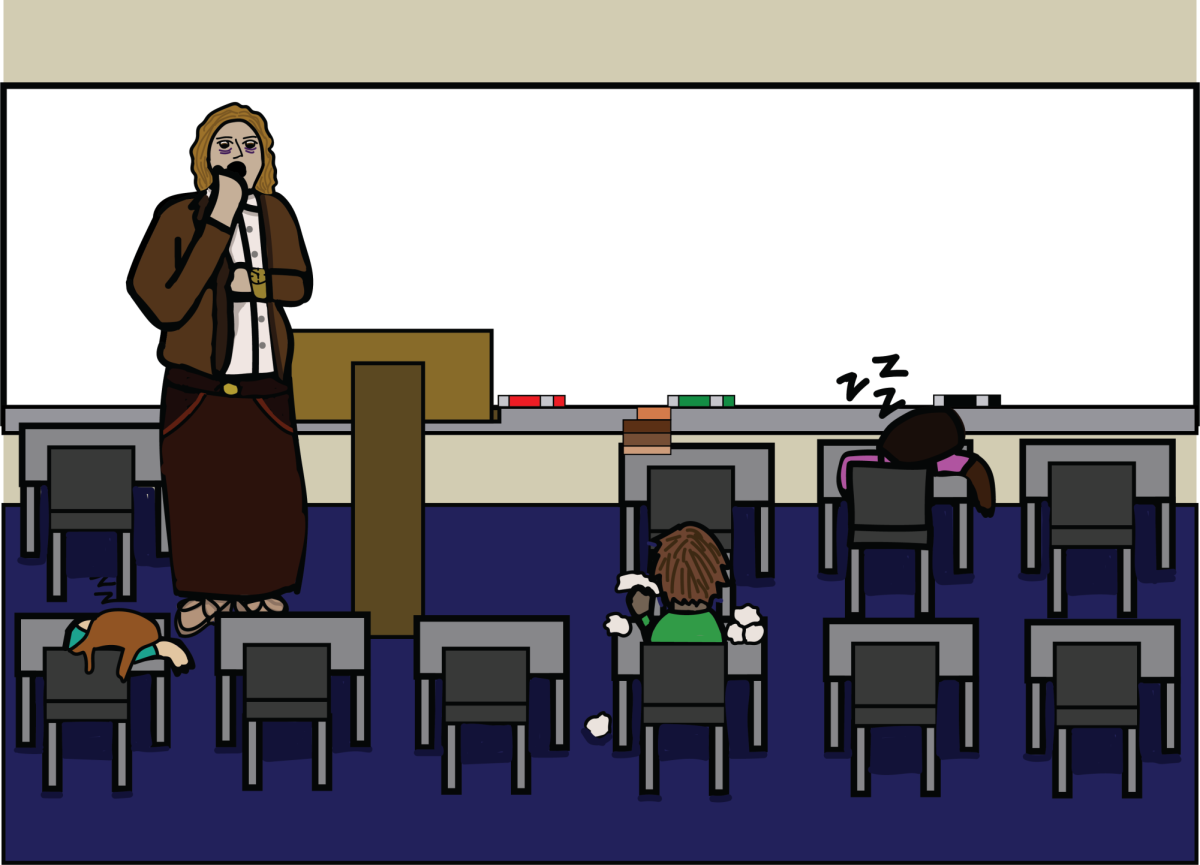

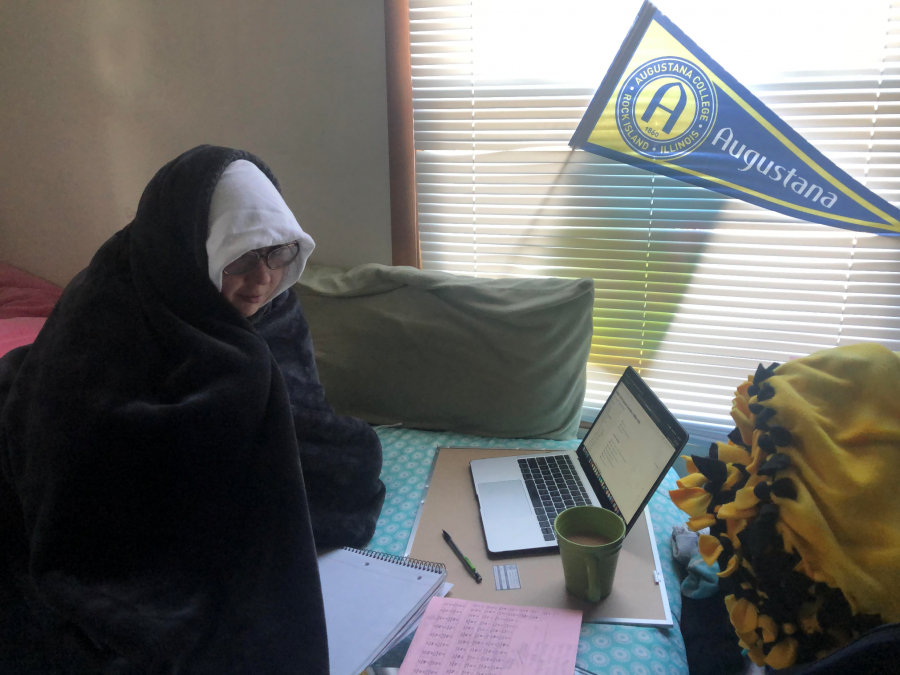




































































In the lives that we lead today, hearing a peer sighing and chugging an Atomic energy drink before stating that they only got four hours of sleep the night before has become almost commonplace. Students becoming victims of poor sleep is no surprise: the mix of homework, activities, clubs and other responsibilities takes priority over the pillow.
However, many students are making themselves the victim through a phenomenon called “bedtime procrastination,” something that every person should strive to minimize in order to maximize their health and relationship with sleep.
“Bedtime procrastination can be viewed as a form of self-regulatory failure, where individuals delay their bedtimes for immediate gratification of indulging in nighttime activities,” according to ScienceDirect.
It is not always possible to cut out the “necessary” work in life, like studying. But cutting out the unnecessary scrolling and self-sabotaging before bed would do every sleep-deprived, baggy-eyed student a favor.
We often feel the need to reward ourselves at the end of the night with a half hour of staring at Instagram Reels with glazed eyes or even doing something considered more productive, like reading or journaling, even if we know getting some shut-eye is really our best choice at that moment. We feel that the stress from the day sucks all of our time into a vacuum, so we want to feel in control of our time at night and claim it back.
Unfortunately, this stress leading to bedtime procrastination is a vicious cycle. Inadequate sleep only leads to having worse mental performance, potentially leading someone to have a bad day, and thus potentially have another late night where they stay up scrolling for comfort.
“Beyond the effects of sleep on memory consolidation, lack of sleep has been linked to poor attention and cognition. Well-controlled sleep deprivation studies have shown that lack of sleep not only increases fatigue and sleepiness but also worsens cognitive performance,” according to npj Science of Learning.
Additionally, screen usage immediately before bed makes sleep quality especially terrible. Students should consider cutting their devices out as much as they can in their late-night routines. Not only do the digital distractions replace the time that could be filled with needed sleep, but the electronics directly correlate to larger problems with rest.
“Both high levels of smartphone use and the associated bedtime procrastination can lead to sleep problems such as shorter sleep duration, difficulty in falling asleep and insomnia,” according to the National Library of Medicine.
The notion of a few bedtime procrastination sessions might not seem too daunting or dangerous on their own, but this habit can be quite the slippery slope. Once someone has fallen down it, the lasting sleep issues caused can be hard to reverse, especially those caused by the device addiction before hitting the hay.
Still, there are many improvements people can make to their daily routines in order to stop this bad bedtime habit. The sooner people learn to fix their schedules, the sooner they can stop associating sleep with taking away their precious personal time.
One of the methods that may best help college students in particular is to take a little bit of time for themselves throughout the strenuous day, rather than waiting to take all of their personal time at night.
“Carve out 15-30 minutes during the day purely for yourself —no productivity allowed. When you regularly get time to decompress or indulge, there’s less need to reclaim it at night,” Brooks Lape says.
Taking these moments throughout the day, as well as setting a stricter sleep schedule and meditating before rest, can be the first step to stopping sleep procrastination. Finding the strength to rid ourselves of a habit that most of us might have can certainly be a challenging task, one that takes discipline and patience, but one worth the dedication on the grounds of bettering our health and cognition.
If we learn to respect the sacredness of sleep and its necessary role in everything we do, we can finally give up on the losing battle of fighting our fluffy pillows.