
























































On Tuesday, Nov. 18, Augustana’s Office of Sexual Assault Prevention Education (OSAPE) presented a screening of the 2015 documentary film, “The Mask You Live In”, in the Olin Auditorium from 6 – 8 p.m. The documentary was produced by The Representation Project and directed by Jennifer Siebel Newsom, the wife of California Governor Gavin Newsom.
“The Mask You Live In” investigates how American culture teaches boys to hide vulnerability behind a rigid, often harmful performance of masculinity. The film weaves together interviews with educators, psychologists, athletes and young men to show how messages like “man up” and “don’t cry” shape boys’ emotional development, relationships and mental health.
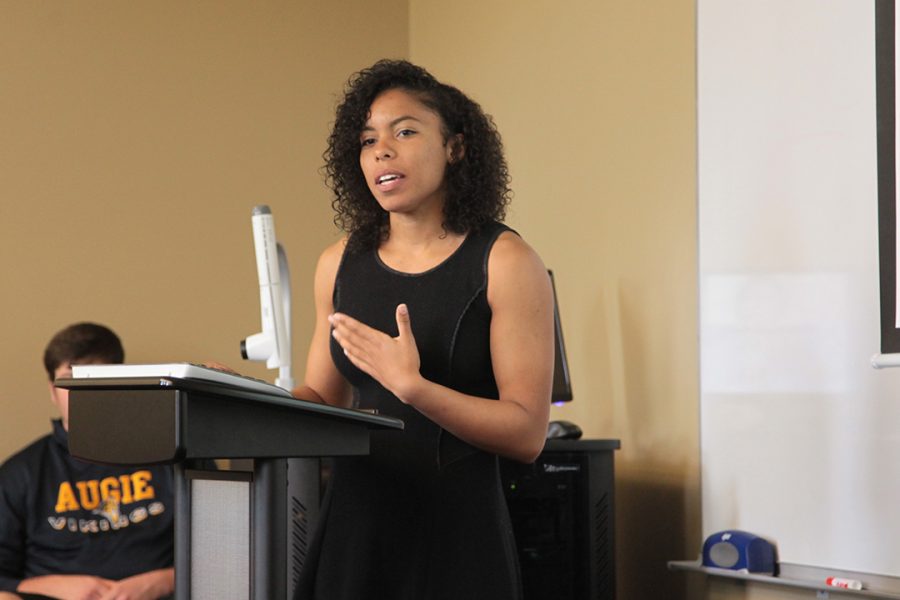
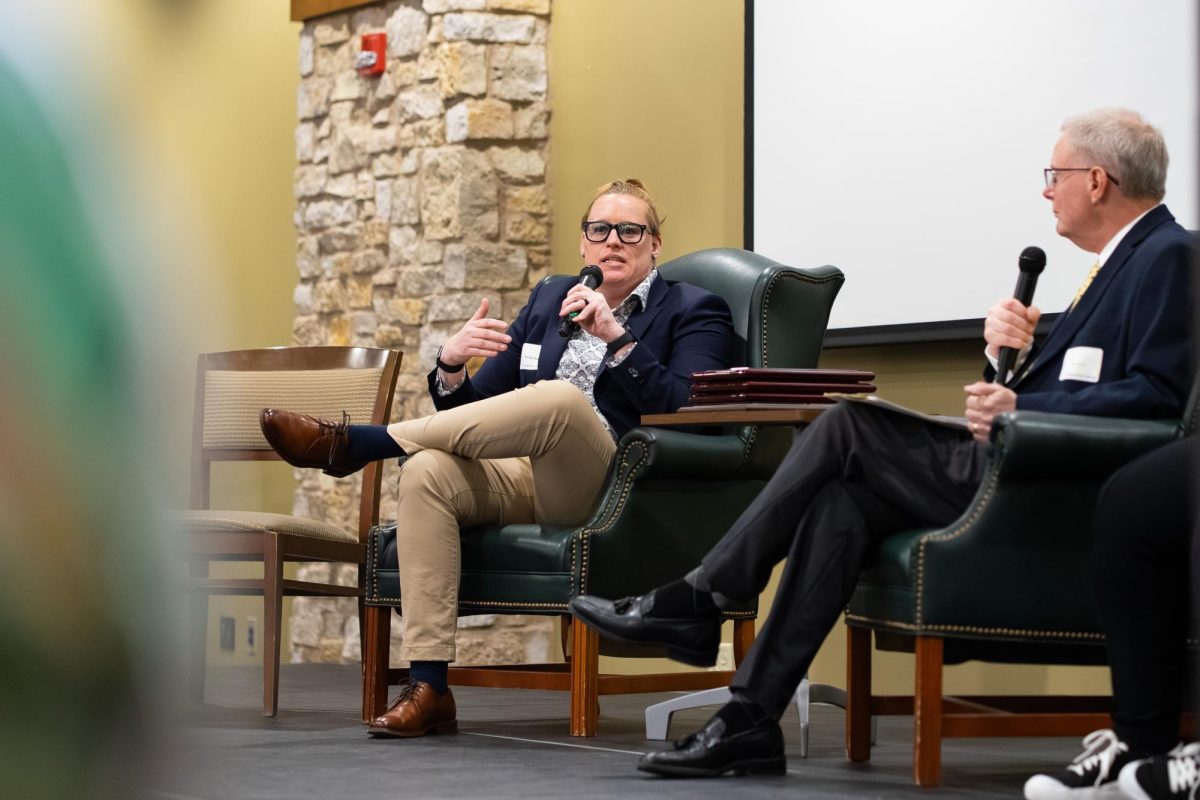
The movie argues that these expectations fuel isolation, aggression and violence while limiting boys’ ability to express their full humanity. The screening of the film was followed by a discussion of why the film was chosen, led by Zachary Draves, program director of OSAPE.
“[The film] really looks into the ways in which men and boys [are] socialized in society and how that is done through different mediums and one of those is the media,” Draves said. “Looking into media representations of masculinity in different ways and really deconstructing all those images can help explain why men and boys are being presented with certain images as a way to live up to a certain ideal of masculinity that society deems acceptable.”
In the post-film discussion, attendees reflected on how “The Mask You Live In” reveals the ways boys are socialised to suppress vulnerability and police anything perceived as “feminine,” both in themselves and others. Participants pointed to media portrayals, school dynamics and heterosexual relationship expectations as examples of how rigid gender roles are reinforced, despite empathy and emotional expression being universal human traits.
Attendees connected the film’s statistics on men’s mental health, violence and disengagement from education to these early messages, noting how issues like mass shootings, lack of comprehensive sex education and young men turning to pornography or harmful online figures all stem from the same cultural pressures.
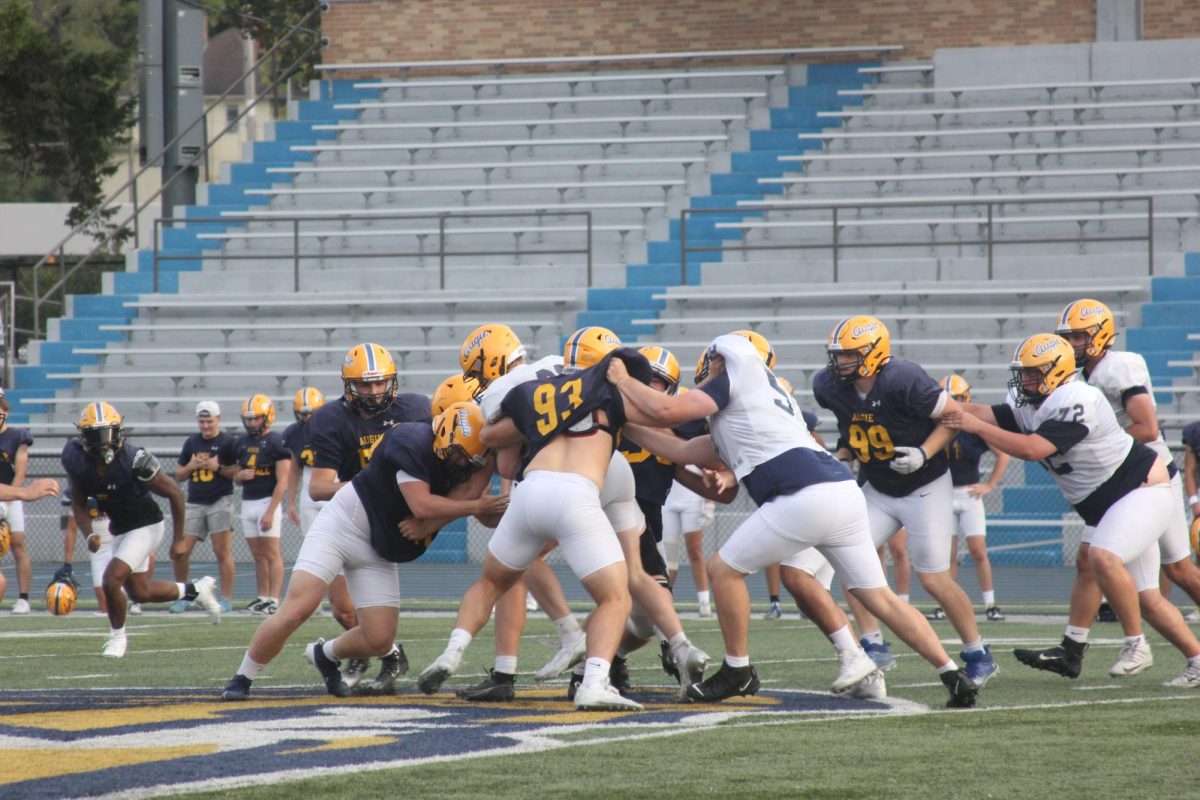
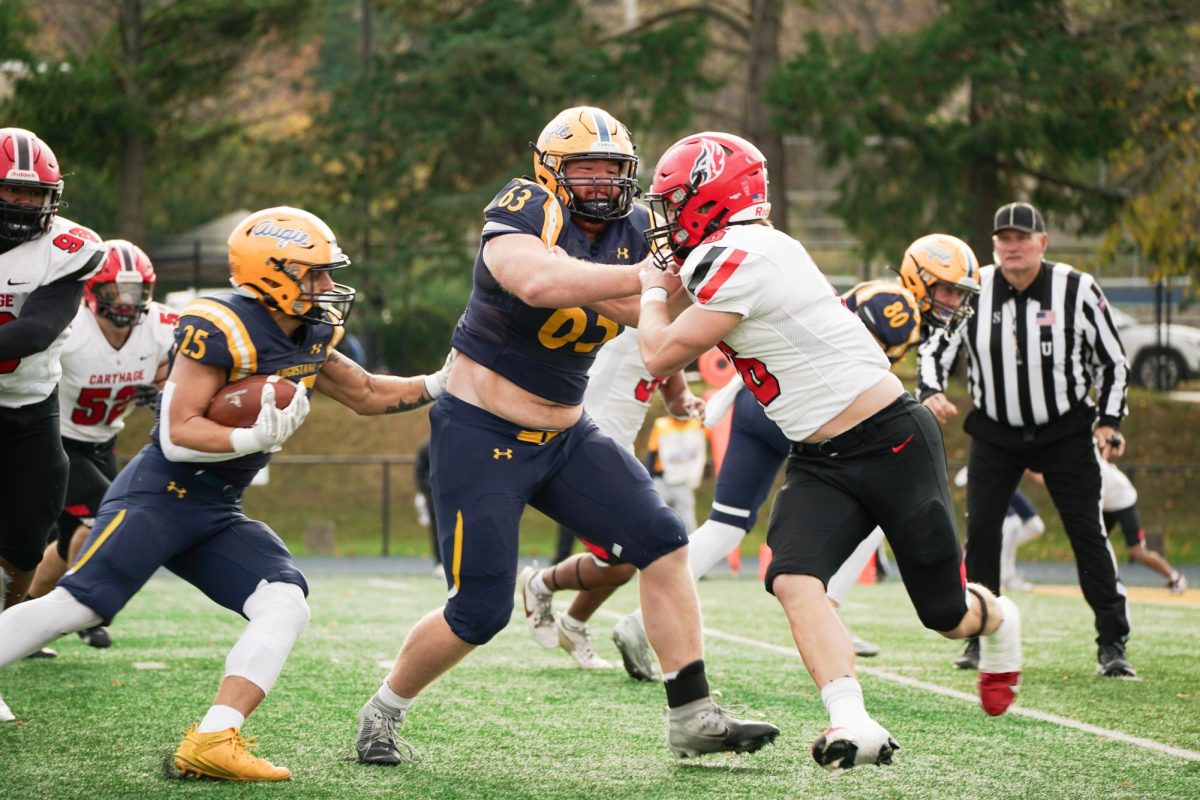
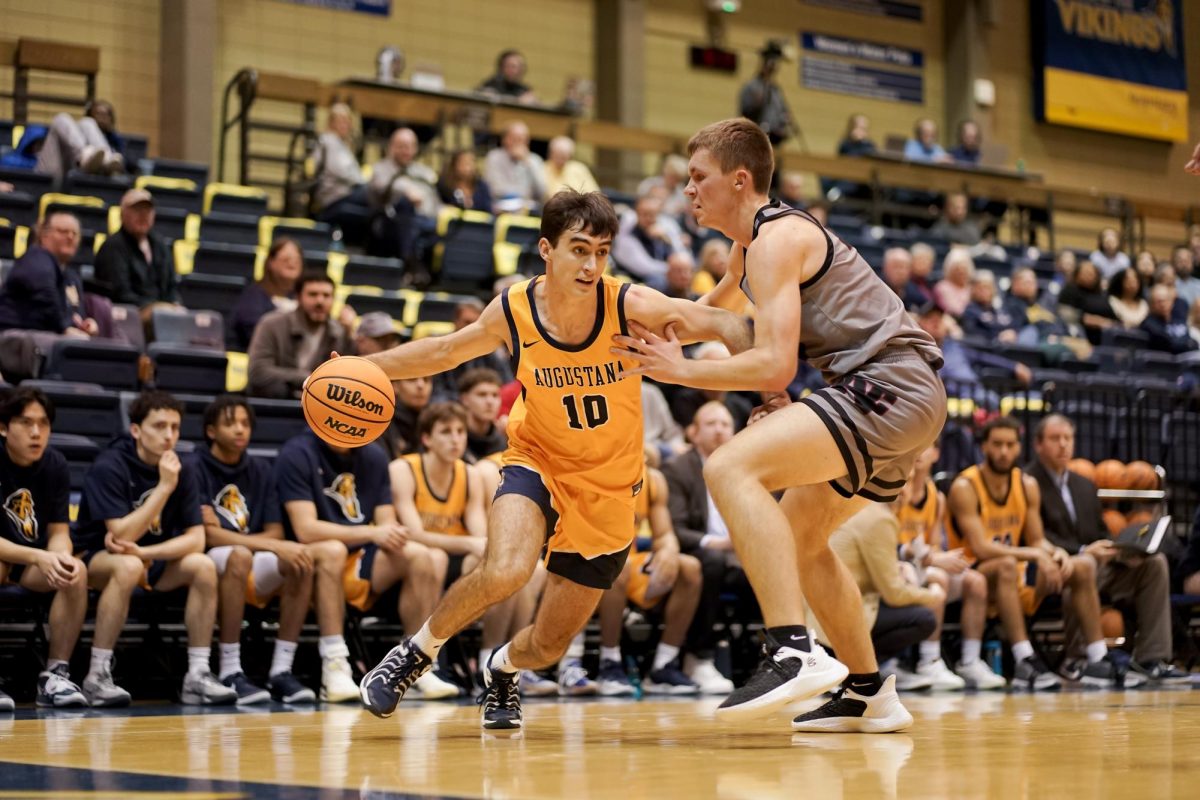
Events peer educator, senior Eddie Resendez, said that his personal experiences playing sports his whole life, including playing lacrosse here at Augustana, has shown him that they can largely contribute to this toxic mindset in men and young boys.
“Sports are a big avenue that shows how men are taught from a young age that ‘the mask’ represents emotional armor. You can’t be soft. You have to be tough,” Resendez said. “[That’s what] society tells you to be, and that leads into toxic masculinity, instead of a healthy masculinity that values being a complete person and having emotional intelligence.”
OSAPE emphasized the importance of intervention, mentorship, and creating supportive spaces for boys and men to learn healthier models of masculinity. Draves closed the screening by underscoring the film’s core message: men don’t have to choose between being tough or sensitive—they can integrate both and become whole, emotionally grounded people. He said it is conversations like these that help move that vision forward.
“Everybody has a part to play in creating a safer and compassionate culture on campus,” Draves said. “And so this documentary just helps serve as a reminder of that.”