






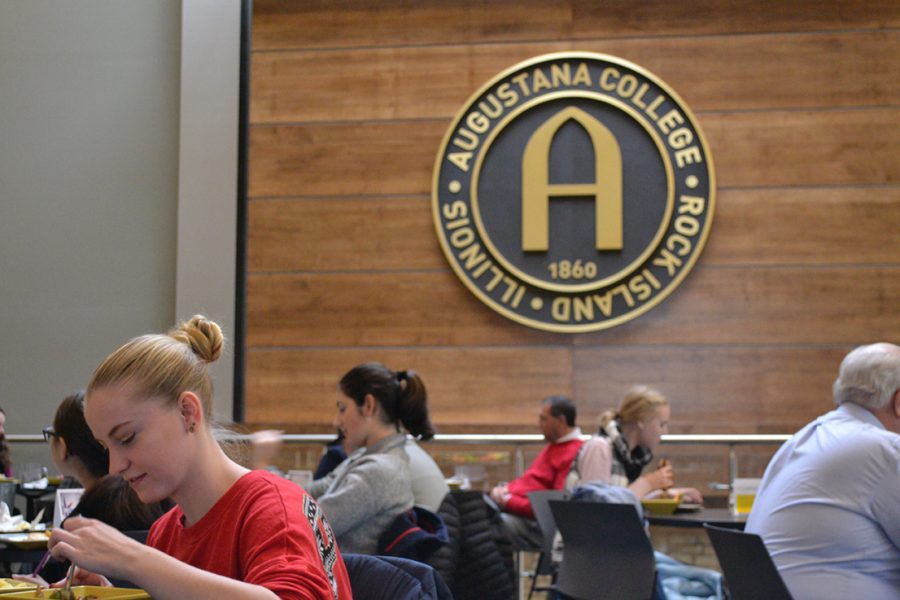








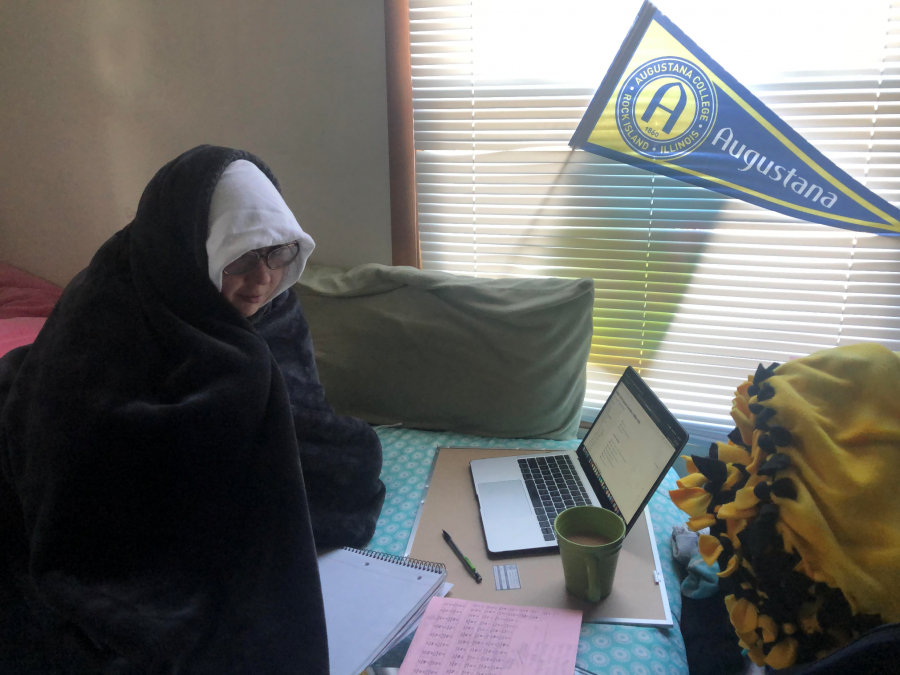







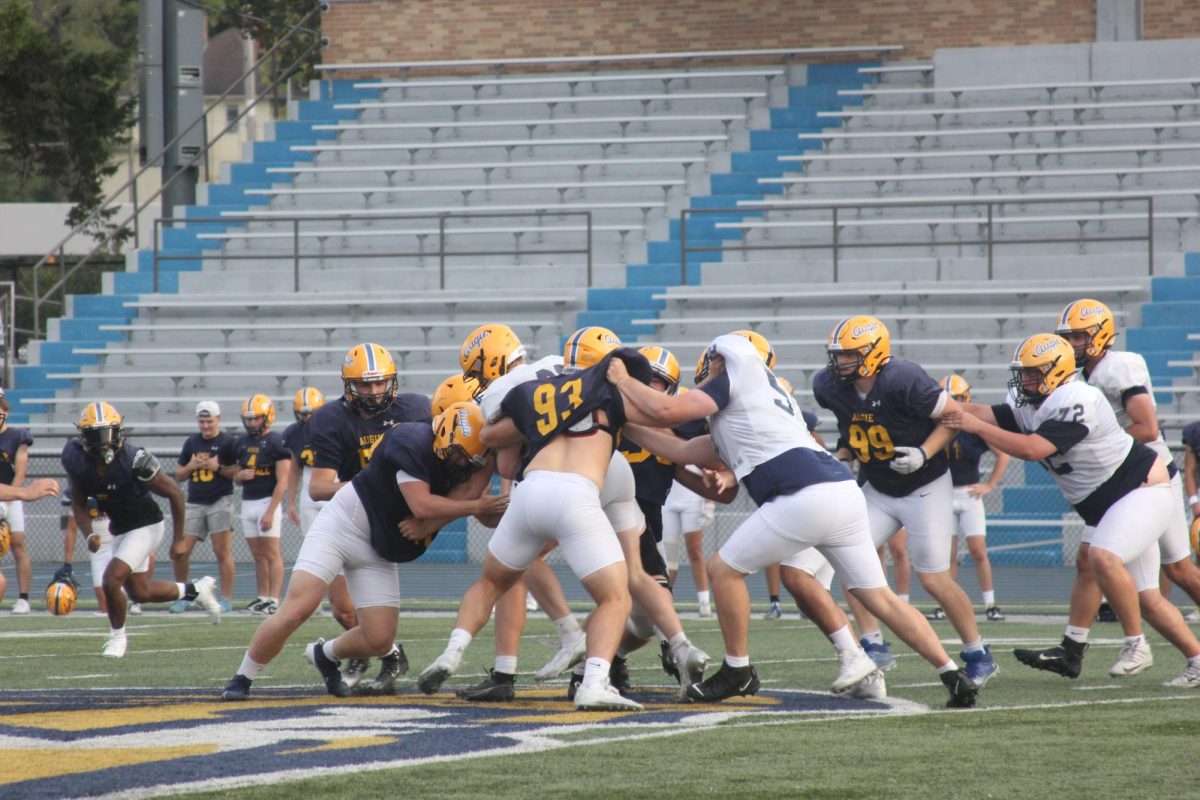



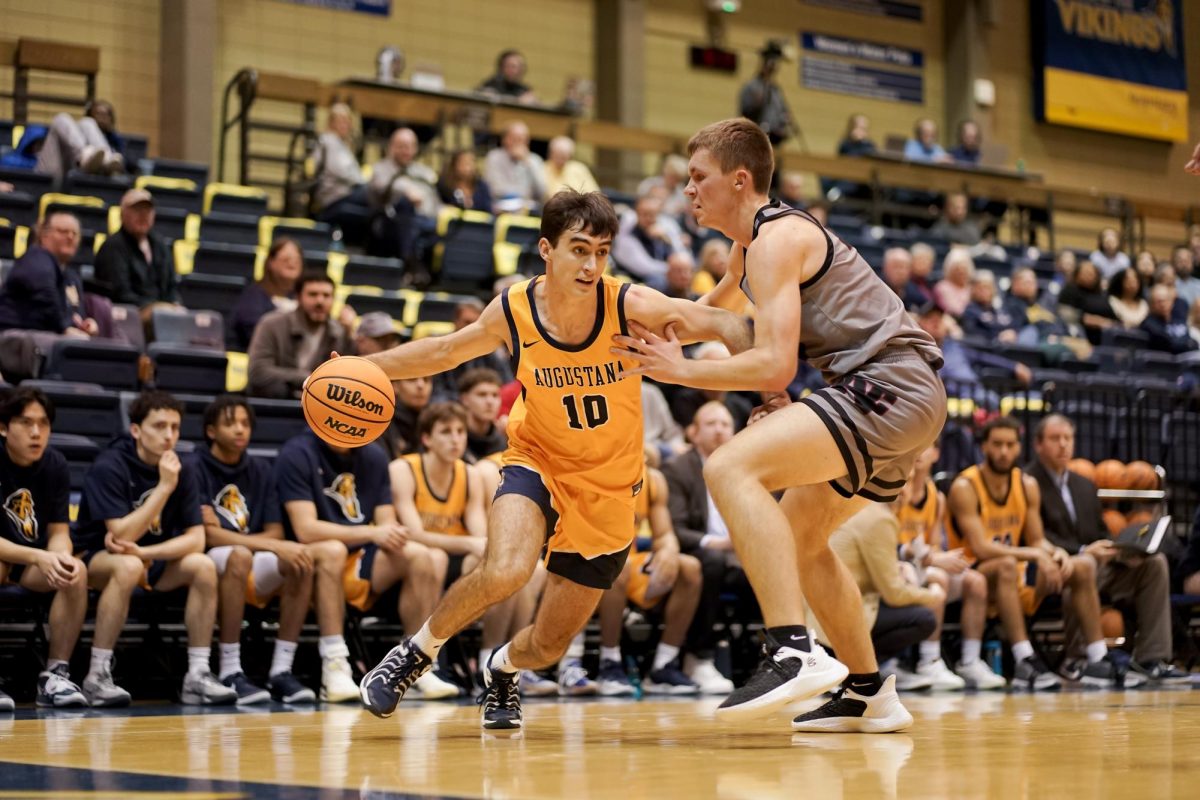


















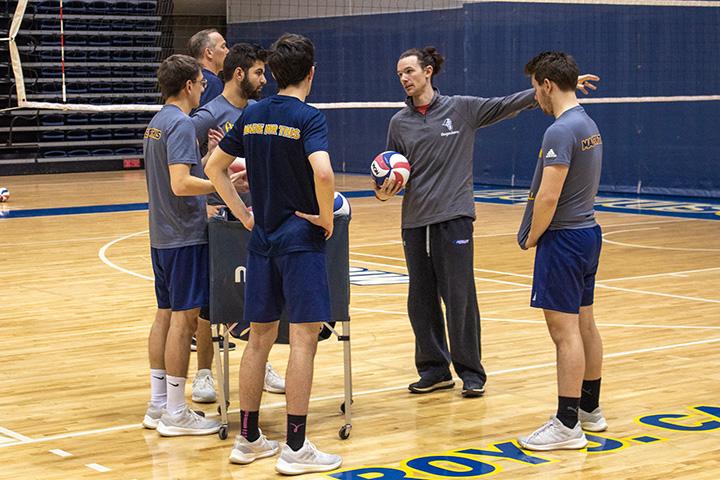






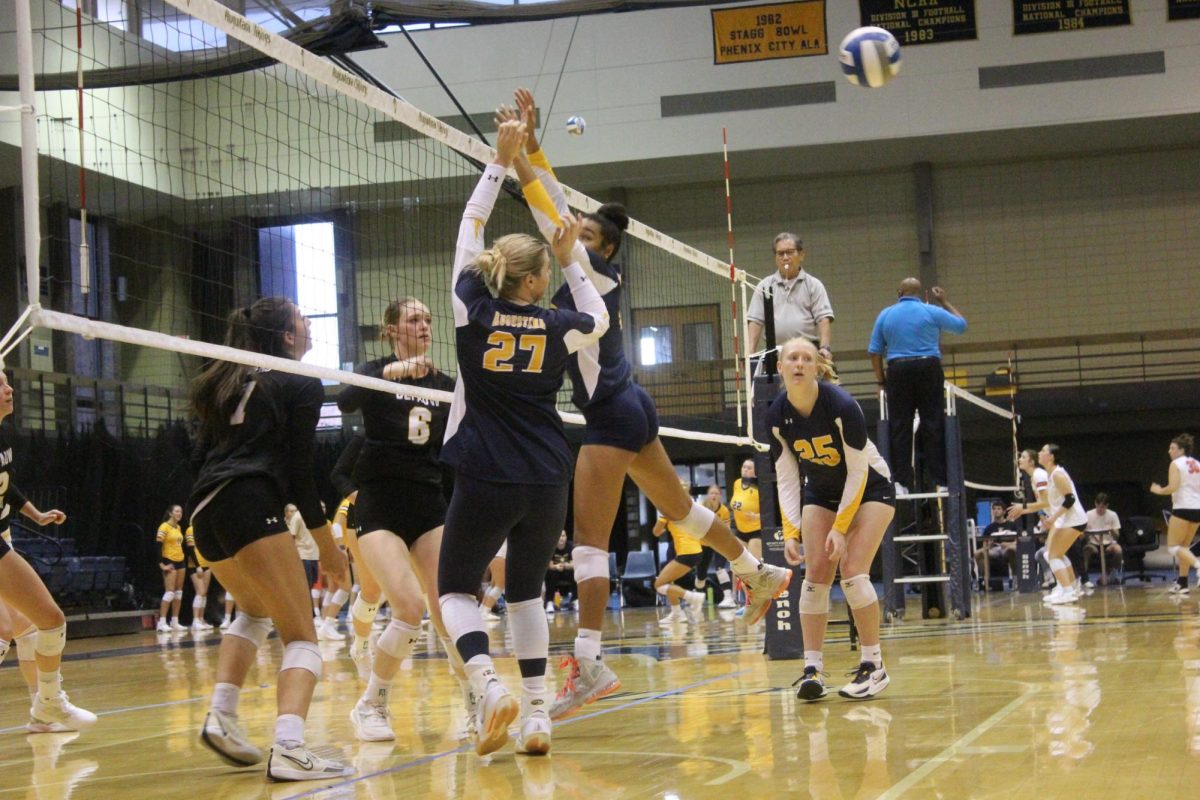




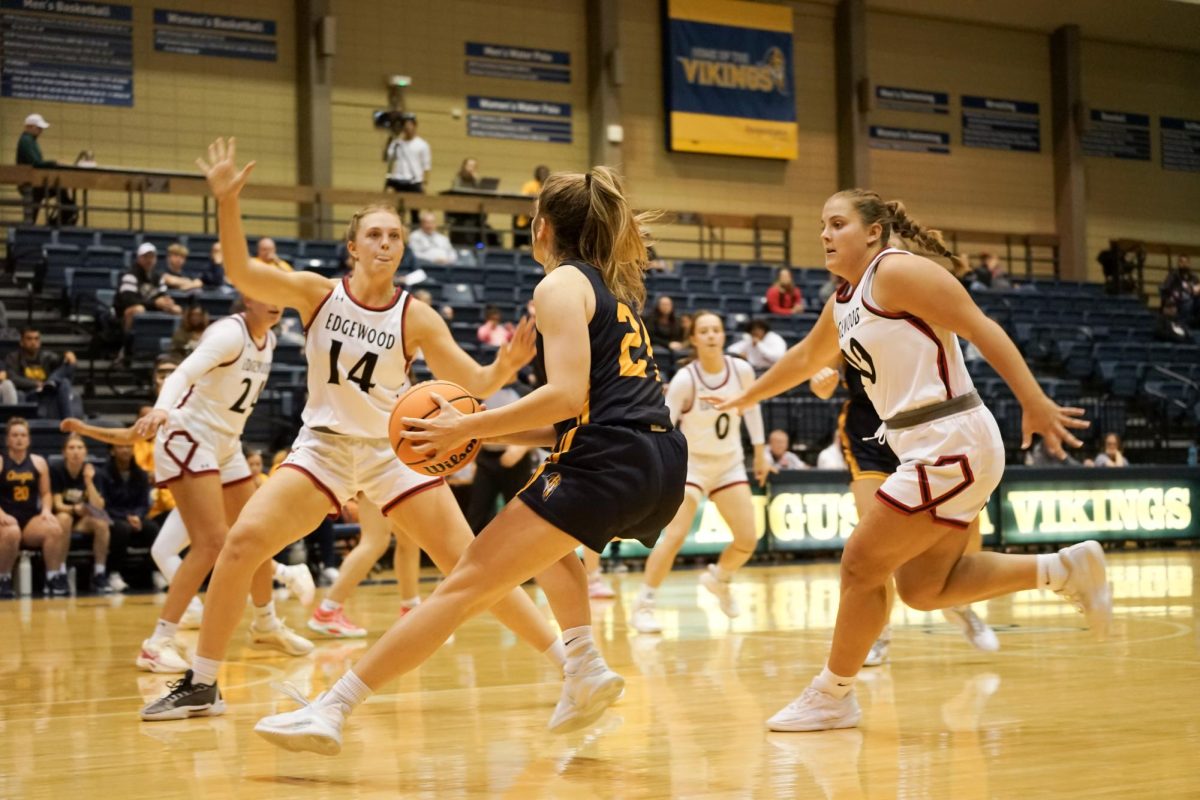









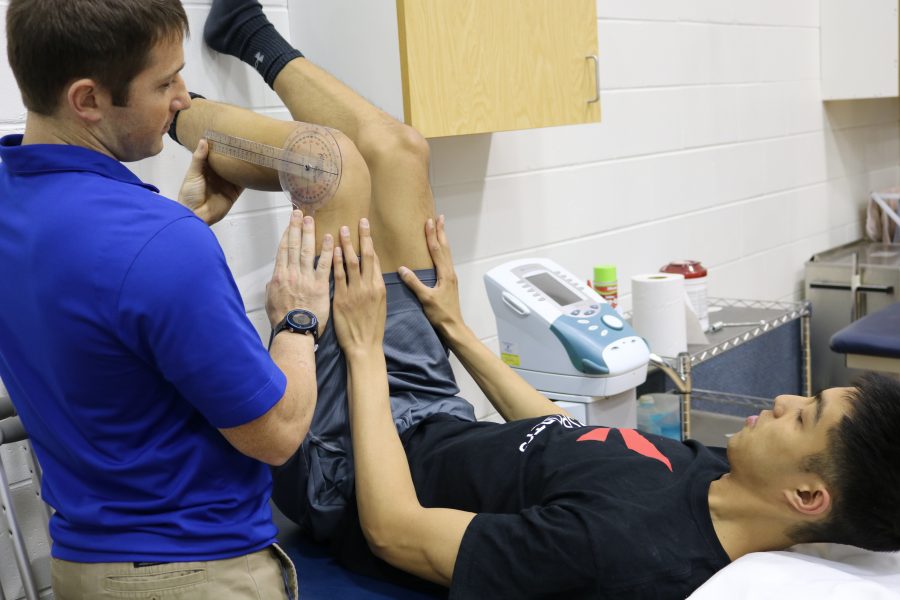
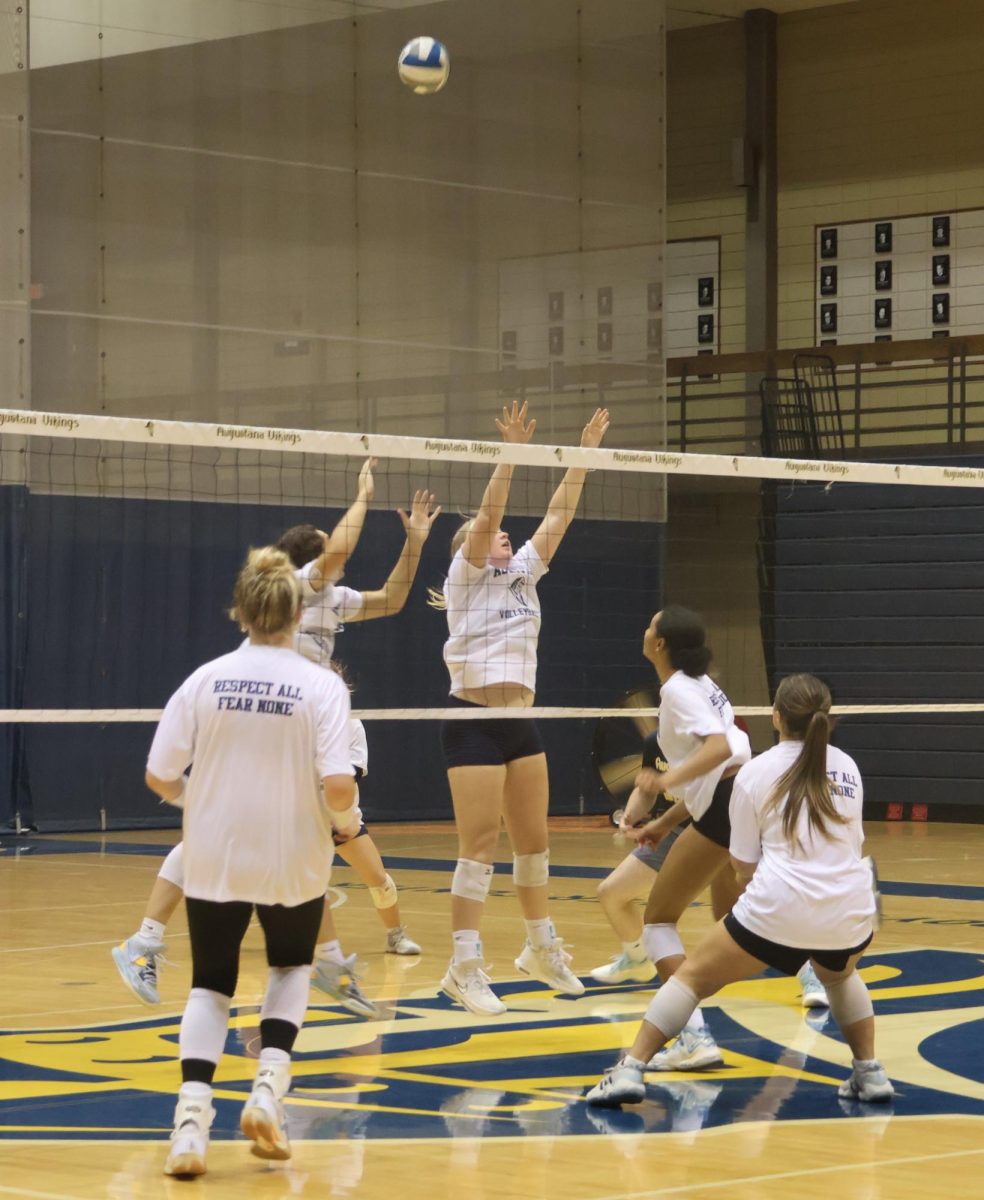








With a school that prioritizes “balance, so you can do it all and do it well,” Augustana College often is buzzing with activities, classes and athletics. Students can be very involved in campus life, while simultaneously balancing their academics, athletics and jobs, but how is this affecting mental health?
During a 2021-2022 survey across 133 United States college campuses, 44% of students reported symptoms of depression, 37% reported anxiety disorders and 15% said they had seriously considered suicide in the past year.
With a new generation of college students and five years post-COVID, mental health challenges remain a pressing concern. The 2024-2025 data reports 37% screening positive for depression, 32% for anxiety and 11% for suicidal thoughts over the last year.
The awareness of mental health issues has become more prevalent, especially in recent years due to COVID’s impact. Augustana College has resources from free counseling resources, organizations like NAMI, The Gray Matters and the new Tuesday weekly Augie Mental Wellness sessions in Casa Latina.
Further, Augustana is taking steps like the first-ever Campus Pause to give students the opportunity to pause from the “go-go-go” of campus life.
On Friday, Oct. 10, during the Common Hour, a time period during Monday, Wednesday and Friday classes where students and professors have no class, Augustana hosted its first Campus Pause–a time where students got to either rest on the second floor of the Thomas Treadway Library, play in a bounce house or attend goat yoga in the Quad.
This period of time and idea brought to life by campus chaplain Reverend Melinda Pupillo gave students, faculty and staff the time to do something beyond the usual fast-paced.
“It’s okay to take time and space for yourself [and] it’s okay to take a breath,” Pupillo said. “Not only is it okay, it’s essential to your wellbeing.”
Despite finding lots of opportunities on and off campus, resume-builders and clubs, organizations or activities that students are passionate about, it is important to know what’s best for students’ wellbeing and what to say “no” to, so they aren’t getting burnt out. But also not letting their work or resume-builders become their identity.
During J-Term 2025, professor Michelle Crouch began teaching “Work and Sabbath Rest.” Although the class’s fast pace might seem to go against its name, Crouch ensures throughout the semester that her students are achieving what its title suggests.
“I want [students] to know that they’re not reducible to their work,” Crouch said. “Some of them get a little bit emotional because they feel like their whole life has felt they are pressured and the idea of stopping is something that really beckons with them.”
In the Ten Commandments from the Bible and Torah, it states to “Remember the Sabbath day by keeping it holy. Six days you shall labor and do all your work, but the seventh day is a sabbath to the Lord your God.”
However, this unusual practice in the modern world is beyond religious–it gives people the opportunity to not get burnt out, overwhelmed or pick up an activity they love again or want to explore.
The 3.5-week course encourages students to rethink what productivity means and how rest plays a role in learning and growth. Crouch said she hopes students view rest not as wasted time, but as a necessary part of being human.
“[Students] often have to work hard to let [things] happen, but if the Sabbath feels like a burden, then you’re getting it wrong because [it] shouldn’t feel like one,” Crouch said.
The space to “pause, reflect, and connect” may seem unusual for students on campus who are busy with their academics, athletics and other activities; however, the Augie Mental Wellness provide them a space to achieve that through “open conversations, guided activities and peer connection,” the weekly sessions help students practice taking care of their wellbeing and discover balance in their day-to-day lives.
Haley Moore, a graduate student from Western Illinois University who’s working toward their Licensed Professional Counselor and intern at the Augustana Counseling Center, said that mental health should be continuously pursued and the Augie Mental Wellness sessions give students a more casual space.
“It offers consistency [and] it allows them that space to know they have somewhere to go where they don’t have to perform… they can process their stresses and realize, ‘I’m not alone in this,’” Moore said.
This weekly space of community also allows students to be themselves.
“This group is a safe space for individuals, despite how they identify,” Moore said. “A place where they belong, and sometimes it’s just listening–you’re not expected to talk.”
The Gray Matters began at Augustana College in 2018 by alumni Haley DeGreve. It has become a popular organization across Quad Cities schools even with off-campus groups. Senior Madi Greenwood and her friends started a chapter in her senior year at Orion High School. Since then, she has been involved with the chapter at Augustana.
“It’s very easy to fall into a certain level of perfectionism that [becomes] toxic,” Greenwood said. “I know I have personally fallen victim to that many times, where nothing else seems to matter besides grades, attendance and doing the best you can academically. But that’s not possible without taking care of your brain and your physical health as well.”
However, it goes beyond and deeper than that, she said.
“It’s so important just to focus on that, because if you’re not filling your own bucket, you can’t pour your bucket into anything else,” Greenwood said.
Mental health groups on campus like NAMI, The Gray Matters, and the weekly Augie Mental Wellness sessions provide a space for students that builds a sense of community that goes deeper than finding a solution through conversations and empathy.
“Sometimes it’s not even about finding a solution,” Greenwood said. “It’s about knowing there’s someone next to you who understands, even if they can’t fix it.”
The importance of pausing is something both students and faculty said they see as essential for preventing burnout and isolation, which prevent people from engaging fully in their work, relationships and personal growth.
As life progresses and people’s goals expand to the likes of climbing a mountain taller than before, the idea of the finish line blinds students from the biggest goal of them all.
“We’ve told students that they can do it all, but maybe the real wisdom is knowing when not to,” Pupillo said.
The same idea is reflected in the weekly sessions held at Casa Latina. The space’s homelike atmosphere offers a calm and safe environment for students to slow down and reconnect with themselves.
“It feels more personal than a classroom, office, or boardroom. Setting the house itself creates a sense of warmth and belonging, [which] makes it easier for students to open up and connect,” Moore said.
The rush of life is not unusual, so the aspect of “stopping” may feel like a crime or laziness.
However, it’s a difference in perception that can change the whole game of a busy life.
“Sabbath is [ceasing] your work, not stopping. It’ll be there waiting for you when it’s picked up again, but learning to cease and that comes with a trust of a trust that [your] needs will be met [and] that you can let go of your work and you’re still who [you are],” Crouch said.
Whether a pause or a Sabbath, this gives people the opportunity to recharge that goes deeper beyond that.
“It’s not just about rest,” Pupillo said. “It’s about remembering what makes us human.”
Therefore, stillness is more than a moment of quiet away from the chaos or busyness of life. It’s an act to remember who they are beyond their grades, positions or accomplishments. It’s the choice they make intentionally as individuals in charge to breathe, cease and simply be.
In the stillness, Augustana’s message becomes clear: balance isn’t found in doing it all, but learning when to stop and embrace being human.
The Gray Matters meets every other Monday in Hanson Hall 102 @ 6 p.m. The next upcoming meetings are Oct. 13 and 27.
NAMI meets on Mondays @ 6 p.m. in Hanson 128.
The Augie Mental Wellness Sessions meet every Tuesday from 3:30 p.m. to 4:30 p.m. in Casa Latina.
Augustana also provides free counseling where students can set up an appointment through Starfish or by emailing Cheri Mizaur.