









































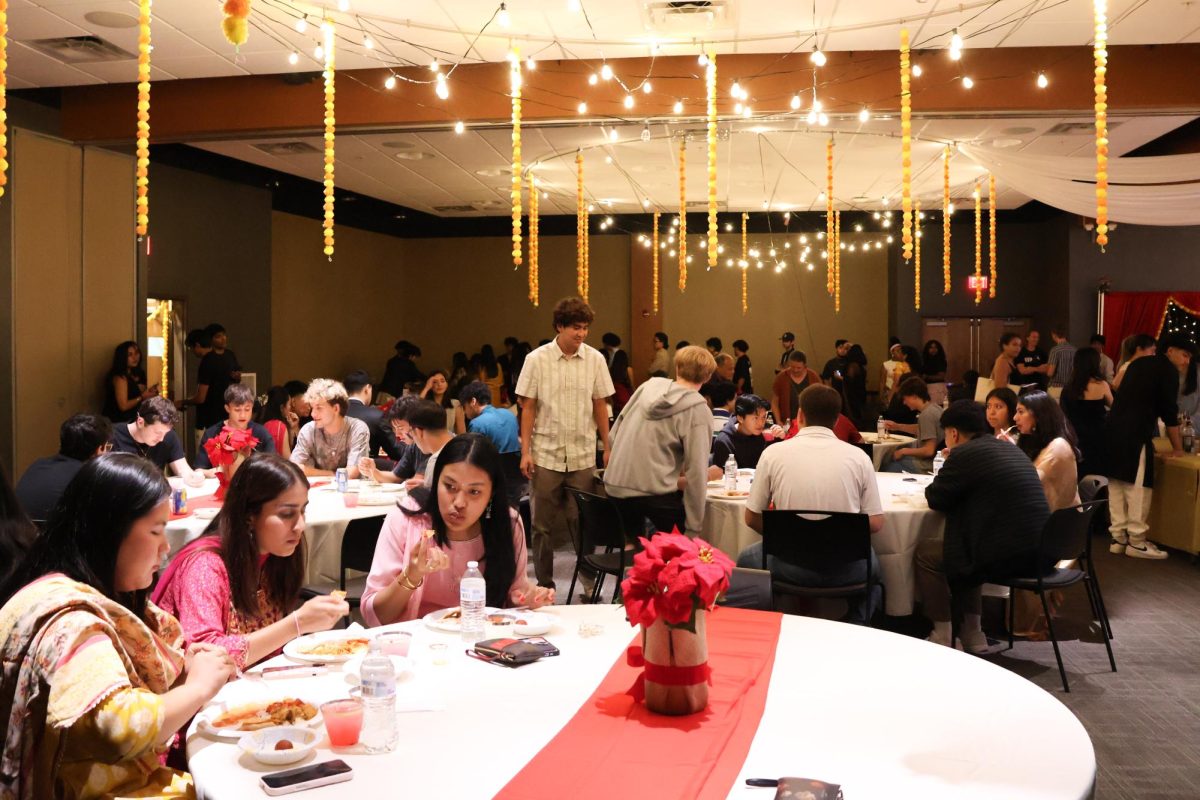
On the evening of Saturday, Oct. 4, the Nepali Student Association (NSA) gathered in the elegantly decorated Gavle rooms for Dashain, the most widely celebrated festival in the Nepali lunar calendar.
The NSA worked hard to adapt the annual Hindu celebration’s highly valued traditions of connection and relationship to life at Augustana. First-Year Aaju Lamichhane, the NSA’s event coordinator, said that Dashain brings the religiously and ethnically diverse country of Nepal together.
“[Nepal] is divided into three regions… [there are] all types of climates, and very different people in each region, but the one thing that unites us as a country is festivities,” Lamichhane said.
During the 15 days of Dashain, he said people throughout Nepal travel back to their family’s main home and visit with relatives, where blessings are given by older family members to younger generations. But since travel is often not possible for international students, the NSA brought that spirit of connection to Rock Island.
“We’re trying to create that sense of community that you usually get back home…to care for each other and celebrate,” said junior Agrim Regmi, NSA vice president.
That community is formed through highlighting the universal appeal of Dashain and sharing different aspects of Nepali culture with others. Through social media, flyers and word of mouth, the NSA campaigned to create an event that drew people from every corner of campus.
“The main emphasis is getting more people involved,” Lamichhane said about the on-campus reception of the event. “Our marketing team has done a really good job of getting people from outside of the Nepali community.”
However, the celebratory Dashain mood was not without acknowledgement of the political unrest and protests in Nepal, which, according to Reuters International News, led to a death toll of 72 by Sept. 14.
Senior Ruben Joshi, NSA’s event chair, said it’s been a heavy month for Nepalis. He said that he has felt “shaken” during the height of the turmoil as he’s seen childhood locations be destroyed.
“I hope people understand….this time [Dashain] is going to be different,” Joshi said. “Everyone’s going to be emotionally charged and wants to see their family.”
Given the weight of this year’s festival, the NSA board, including Vice President Regmi, decided that an open discussion was needed before hosting Dashain. The floor was open to all NSA members, and, by the end of the discussion, the majority voted to hold the celebration. Regmi and Joshi both said it was to gather in times of crisis and care for each other.
As attendees entered the event, they received the traditional blessing of Tika (a red blend of rice, yogurt and vermillion placed on the forehead) and Jamara (a sacred barley germinated on the first day of Dashain, worn behind the ear) that represent the blessings of the Goddess Durga. In place of familial elders, senior and NSA President Sneha Tandan, “elder” of the Nepali student community at Augustana, performed the ritual.
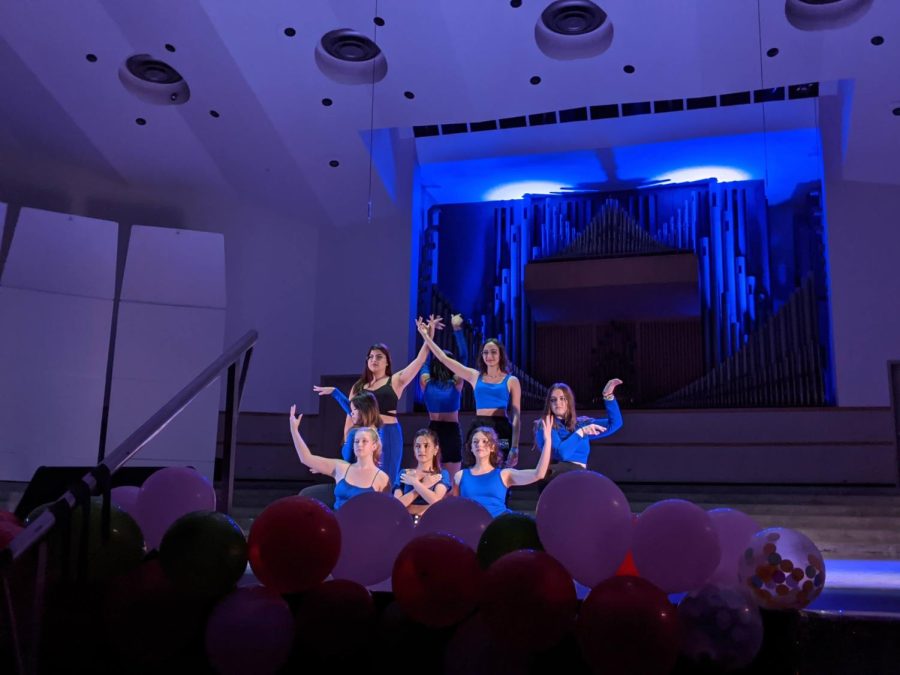
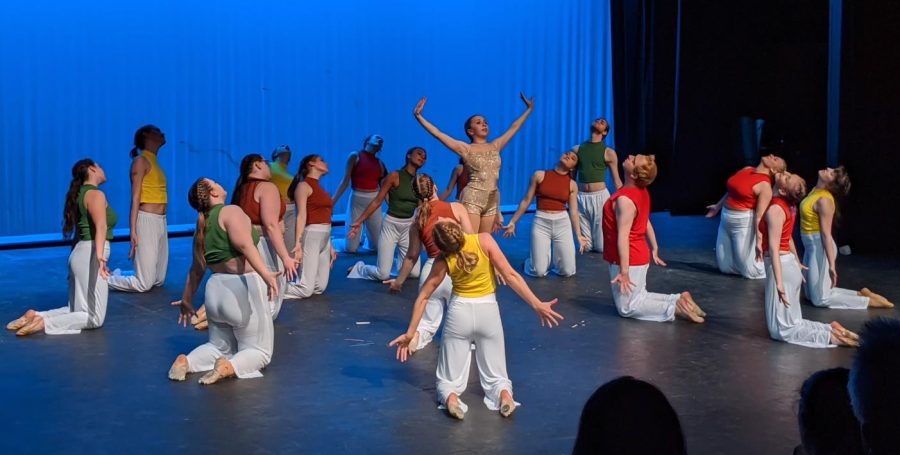
Attendees enjoyed a spread of food, including momo dumplings and a pani puri fountain. A mocktail bar with student bartenders, including executives Regmi and Lamichhane, was also available. Students participated in choreographed dances to traditional songs and connected with friends both old and new over food and activities like paper kite making.
Dashain provides space for people to intentionally deepen familial and community relationships. The celebration validated not only the effort the NSA put into hosting the event, but also the meaningful decision, in the face of unrest, to continue celebrating in the first place.
A “Global Spotlight” hosted by the OISSS, faculty and NSA leaders will be held on Oct. 13 for those interested in learning more about Nepali culture and current affairs.
Sneha Tandan is a photographer for the Augustana Observer.